Looking at Tribeca and SoHo for your next downtown loft investment? You are not choosing between a strong market and a weak one. You are choosing between two scarce, high-profile loft markets that attract different types of buyers and renters. If you want to understand where privacy, pricing power, rental demand, and long-term holding potential may line up best, this guide will help you compare the two with a clear investor lens. Let’s dive in.
Why Tribeca and SoHo Compare Well
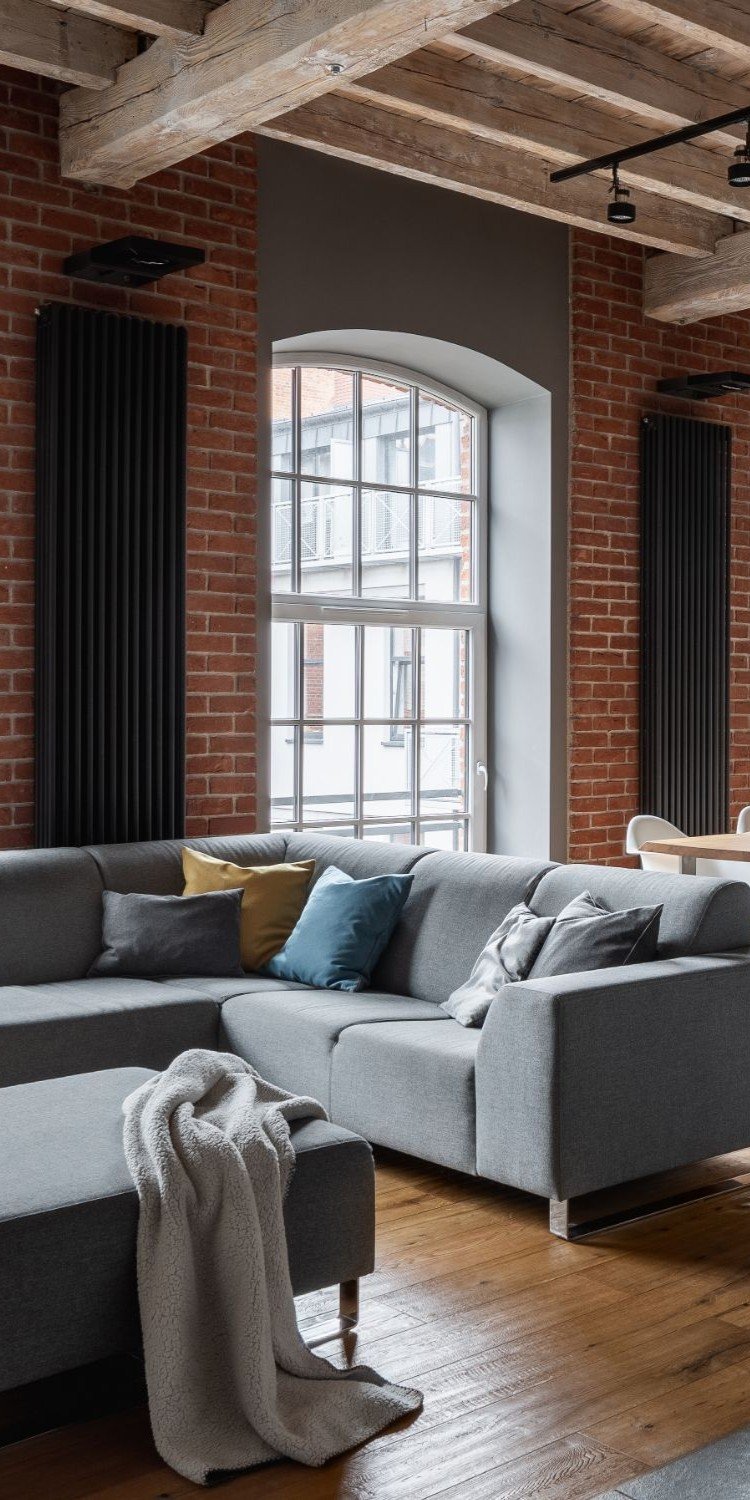
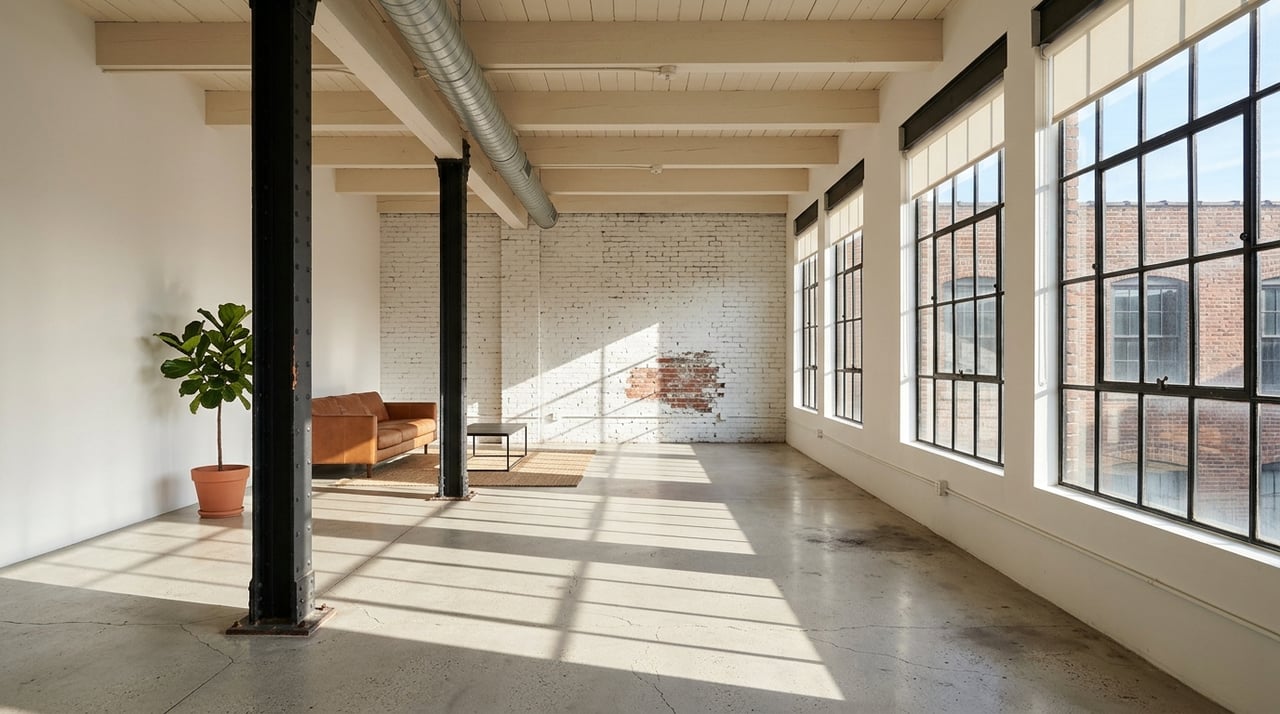
Tribeca and SoHo belong in the same conversation because both are defined by historic loft stock, limited new supply, and lasting buyer recognition. In both neighborhoods, landmark controls shape what can change on the exterior of designated buildings and within historic districts, which helps preserve the architectural character that supports long-term value.
In SoHo, the core historic district spans 26 blocks and about 500 buildings, with one of the world’s largest concentrations of full and partial cast-iron facades. In Tribeca, preservation districts center on older commercial loft, warehouse, and store-and-loft buildings. For investors, that matters because scarcity is not just a talking point here. It is built into the physical and regulatory fabric of both neighborhoods.
There is also clear evidence that buyers and renters keep these areas top of mind. StreetEasy’s 2025 year-in-review ranked Tribeca 8th in sales searches and 9th in rental searches, while SoHo ranked 9th in sales searches and 5th in rental searches. Even as broader Manhattan conditions shift, both neighborhoods continue to attract serious attention.
Tribeca vs SoHo at a Glance
At a high level, Tribeca tends to offer a quieter and more residential loft experience, while SoHo offers stronger street presence and a more iconic identity. Both can work for downtown investors, but the better choice depends on the type of asset you want to own and the type of demand you want to capture.
| Factor | Tribeca | SoHo |
|---|---|---|
| Overall feel | Quieter, more residential | Busier, more visible, more mixed-use |
| Building character | Large renovated warehouse lofts | Cast-iron lofts, walk-ups, luxury co-ops |
| Investor appeal | Long-hold stability, privacy, large-format living | Trophy ownership, brand recognition, architecture appeal |
| Rental profile | Often stronger rent premium in recent snapshots | Strong demand, but more variable by product |
| Daily environment | Cobblestone streets, more discretion | Heavier foot traffic, more tourist activity |
What Makes Tribeca Attractive
Tribeca offers quieter long-hold appeal
If you value discretion and stable demand, Tribeca often stands out. StreetEasy describes the neighborhood as having quiet cobblestone streets and impressive loft buildings, with many old warehouses converted into large, light-filled homes that command some of the city’s highest prices per square foot.
That profile tends to support a long-term hold thesis. You are not usually buying Tribeca because it feels like a short-term trade. You are buying into size, privacy, and a residential atmosphere that remains rare in Downtown Manhattan.
Tribeca supports premium rental positioning
For investors who underwrite rental performance carefully, Tribeca has shown notable rent strength. StreetEasy’s year-end data placed Tribeca as Manhattan’s most expensive rental neighborhood in 2024 at a median asking rent of $8,295, and again at the top in 2025 at $7,900.
The June 2026 Realtor.com snapshot also shows Tribeca at a $7,250 median rent, with 178 rental properties. While every dataset has its own timing and methodology, the broader pattern is consistent: Tribeca remains a premium rental market with limited inventory and strong demand at the high end.
Tribeca works for buyers who want space and access
Tribeca also benefits from practical location advantages. StreetEasy points to strong subway access and close proximity to the Financial District, which can support demand from downtown professionals who want convenience without giving up square footage.
For an investor, that can mean a deeper pool of qualified end users and renters who prioritize layout, light, and location. In a market where product quality matters, Tribeca’s larger loft formats can be a meaningful edge.
What Makes SoHo Attractive
SoHo carries trophy value and visibility
SoHo is one of Manhattan’s most recognizable residential brands. Its cast-iron architecture, historic loft buildings, and retail-heavy streets create a destination feel that few neighborhoods can replicate.
That visibility can translate into strong demand from buyers who care about owning something iconic. If your investment style leans toward collectible real estate and architectural cachet, SoHo may offer the stronger emotional pull.
SoHo often leads on sales prestige
StreetEasy’s recent snapshots show SoHo leading Tribeca on median asking sales price in 2024 at $4.2 million versus Tribeca’s $3.995 million. In 2025, SoHo again led at $3.995 million, with Tribeca essentially tied at $3.985 million.
That does not automatically make SoHo the better investment. It does suggest, though, that SoHo continues to command elite pricing attention and prestige in the sales market. For some investors, especially those focused on wealth preservation through rare assets, that matters.
SoHo gives buyers a bit more choice
StreetEasy also reported that SoHo’s sales inventory increased 8% from 2024 to 2025. In a market known for low turnover, even a modest inventory increase can create more room to compare layouts, building profiles, and entry points.
That does not mean SoHo is suddenly abundant. It means that buyers may have slightly more flexibility than they did a year earlier. For investors who want to be selective, that can be helpful.
Current Market Snapshot
Both neighborhoods remain firmly in Manhattan’s top tier. June 2026 Realtor.com data shows Tribeca with a $4,547,500 median listing price, 201 active sale listings, and a 96% sale-to-list ratio. SoHo shows a $3,950,000 median listing price, 180 active sale listings, and the same 96% sale-to-list ratio.
On the rental side, the same snapshot shows SoHo at a $7,750 median rent and Tribeca at $7,250. That differs from StreetEasy’s recent ranking trend, which favored Tribeca on rents, but the key takeaway is the same: both neighborhoods remain premium rental environments where pricing is high and turnover is relatively limited.
When two respected data sources show slightly different medians, the right conclusion is not that one is wrong. It is that micro-market analysis matters. In Tribeca and SoHo, building type, floor level, exposure, condition, and ownership structure can shift pricing quickly.
Which Investor Profile Fits Each Neighborhood
Choose Tribeca for privacy and residential stability
Tribeca may be the better fit if you are looking for:
- A quieter day-to-day environment
- Larger loft layouts
- Strong long-hold rental appeal
- Demand from downtown professionals
- A more residential feel within a luxury market
This is often the better match for investors who want a premium asset that feels protected by scarcity but still practical in daily use. The value story here is less about flash and more about durable demand.
Choose SoHo for iconic ownership appeal
SoHo may be the better fit if you are looking for:
- Recognizable architecture and address value
- Strong trophy-asset positioning
- A neighborhood with major global brand recognition
- Mixed-use energy and street presence
- An asset that feels collectible as well as functional
The tradeoff is that SoHo can feel busier. StreetEasy notes that weekends can be crowded with tourists, and privacy is generally lower than in Tribeca. For some investors, that is a drawback. For others, it is part of what makes the asset special.
The Real Investment Thesis: Scarcity
The strongest argument for both neighborhoods is simple: you cannot easily recreate what they offer. Landmark controls, historic building stock, and low turnover all support a scarcity-driven value story.
SoHo’s cast-iron loft buildings and Tribeca’s warehouse and store-and-loft buildings are not interchangeable with newer product elsewhere in Manhattan. These are specific asset types in specific locations, and that uniqueness tends to matter more over long holding periods than short-term market noise.
That is why both neighborhoods often appeal to patient capital. If you are trying to force a quick speculative win, these markets may feel expensive. If you are focused on owning a rare downtown asset with lasting demand, they deserve serious attention.
How to Think About the Decision
If you are deciding between Tribeca and SoHo, ask yourself three practical questions:
Who is your likely end user or renter? Tribeca may suit someone who values privacy, larger living space, and convenience to the Financial District. SoHo may suit someone drawn to cast-iron architecture, visibility, and a more active street environment.
What matters more: rent strength or trophy positioning? Recent StreetEasy data has often favored Tribeca on rents, while SoHo has shown standout sales prestige.
How much day-to-day activity do you want around the asset? Tribeca is generally calmer. SoHo is generally busier. That difference can shape both personal enjoyment and tenant appeal.
There is no universal winner because the better investment depends on your goals. In our experience, the smartest downtown investors start with the asset story, then match it to the right neighborhood rather than chasing a headline number.
If you are weighing Tribeca against SoHo, the right comparison usually comes down to building-level nuance, ownership structure, and how the property fits your hold strategy. If you want help evaluating loft opportunities below 34th Street with a practical, data-backed approach, reach out to Varun Sharma.
FAQs
Is Tribeca or SoHo better for a long-term loft investment?
- Tribeca often fits long-term investors who want privacy, larger lofts, and a more residential setting, while SoHo may appeal more to buyers focused on iconic architecture and trophy ownership.
How do Tribeca and SoHo rents compare?
- Recent StreetEasy snapshots often showed Tribeca with the stronger rent premium, while a June 2026 Realtor.com snapshot showed SoHo with a slightly higher median rent, which highlights the importance of building-level analysis.
Why are Tribeca and SoHo lofts considered scarce assets?
- Both neighborhoods have historic loft stock, low turnover, and landmark protections that limit exterior changes, helping preserve the character and rarity of the existing inventory.
Is SoHo or Tribeca more private for daily living?
- Tribeca is generally considered the more private and quieter option, while SoHo tends to have heavier foot traffic and a busier mixed-use environment.
What should investors compare before buying in Tribeca or SoHo?
- You should compare the building type, layout, light, condition, floor level, street exposure, ownership structure, and how the property fits your rental or long-hold strategy.