Considering a Tribeca loft conversion for your portfolio? You’re looking at one of Manhattan’s most distinctive product types, with character that can command premium rents. At the same time, older buildings, board rules and local regulations introduce variables you need to price carefully. In this guide, you’ll learn how to evaluate buildings and layouts, build defensible comps, underwrite returns, and avoid the most common pitfalls that trip up investors. Let’s dive in.
Why Tribeca loft conversions attract investors
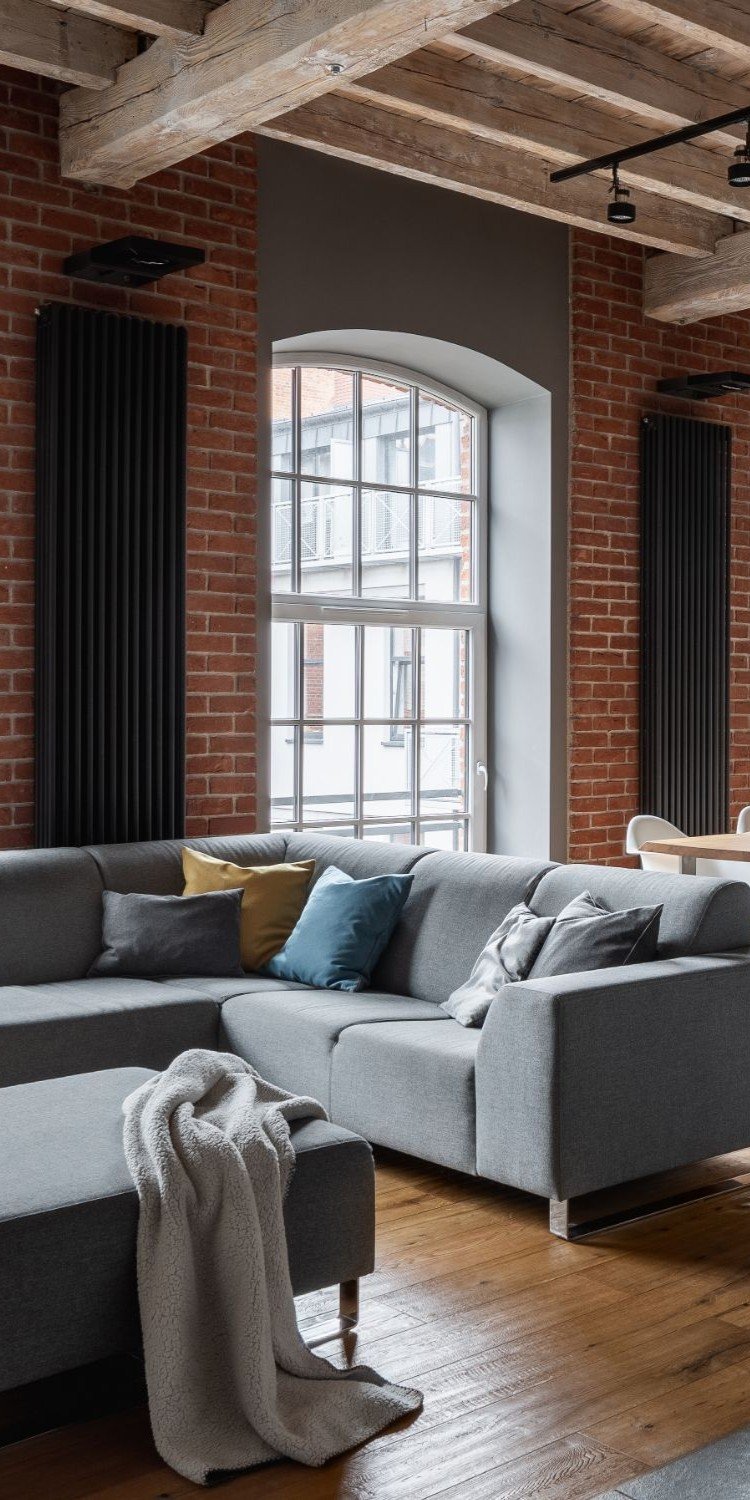
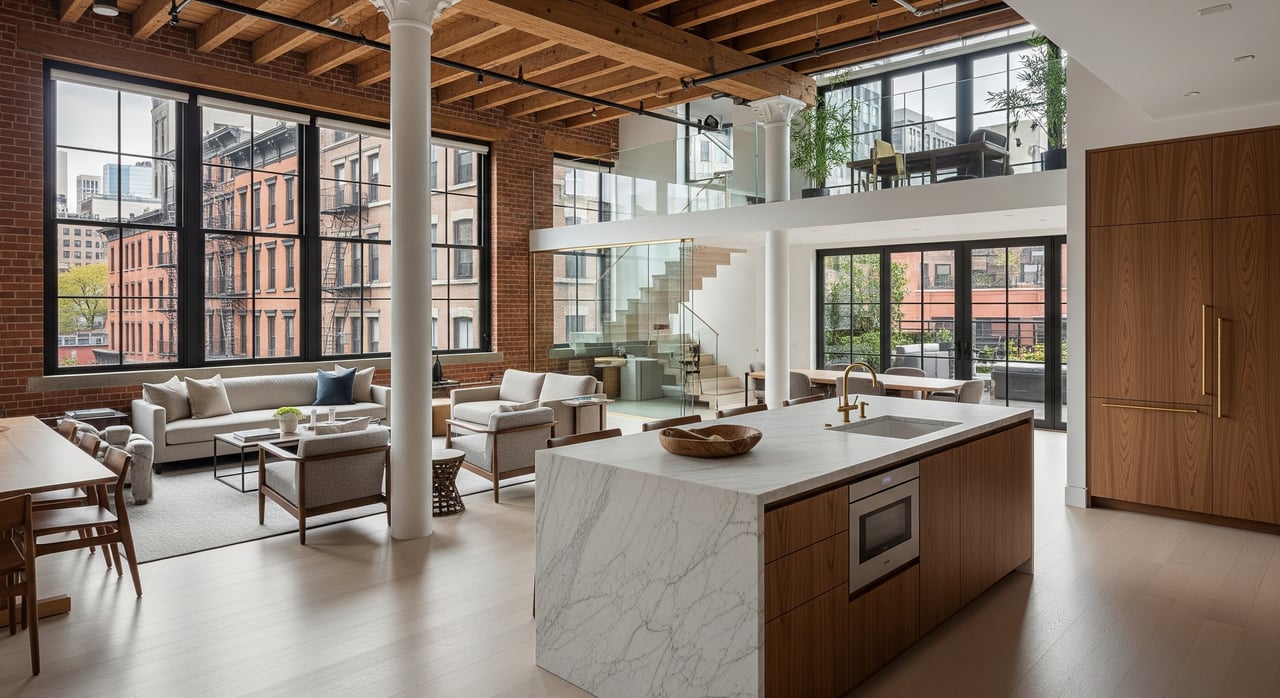
Tribeca’s identity is built on historic warehouse conversions with cast-iron and brick facades, oversized windows and tall ceilings. Authentic lofts are relatively scarce in central Manhattan, which supports pricing power with design-focused tenants. Proximity to downtown employment, the Hudson River waterfront, dining and culture keeps demand resilient over time. If you can pair the right building with a thoughtful interior plan, you can unlock a rental premium and long-term appreciation potential.
Know your building type and legal status
Condos, co-ops, and IMDs
- Condominiums generally offer clearer rental flexibility and simpler approvals for investors. Common charges and property taxes factor into your operating model.
- Co-ops are governed by proprietary leases and boards. Sublet policies often limit investor strategies and board approvals can affect timing. Review the full sublet policy and board minutes before you bid.
- Some lofts were legalized under NYC loft laws. Confirm whether the building falls under the NYC Loft Board’s framework and whether the unit is a legal residential dwelling. You can research IMD and legalization matters via the NYC Loft Board.
- Always verify the Certificate of Occupancy and any permitted mezzanines or sleeping lofts with the NYC Department of Buildings before you underwrite rents or plan alterations.
- NYC restricts certain short-term rentals. Assume entire-unit rentals under 30 days are not allowed unless very specific conditions are met and your building permits them. Design your strategy for 12-month or corporate medium-term leases only after confirming bylaws.
Unit features that drive rent
Tenants pay up for tall ceilings, large windows, exposed brick or timber, open-plan living, and well-executed mezzanines. Private outdoor space is rare and can be a major differentiator. Duplex or triplex layouts help separate living and sleeping, which improves functionality. Private or semi-private elevator access also adds value in boutique buildings.
Mechanical realities and capex
Older conversions can hide dated HVAC, plumbing and electrical systems. Budget for modernization if systems, windows or insulation are past their useful life. Factor Local Law 11 façade cycles and potential roof or boiler projects into your underwriting, since they can lead to special assessments that affect cash flow over your hold period.
Tenant demand and leasing strategy
Who rents Tribeca lofts
You’ll see interest from executives, finance and media professionals, creative and tech talent, and some small families seeking larger formats. Renter demand is style-driven and convenience-driven, with a preference for high-quality finishes, good natural light and proximity to downtown offices. Demand is strong but can be seasonal and sensitive to macro cycles.
Lease terms that work
Market-rate 12-month leases are the baseline. Corporate and medium-term 6 to 24-month placements can be viable when allowed by building policy. Always align leasing plans with the building’s rules and city regulations before you price scenarios in your pro forma.
Rent regulation checks
Some apartments in older buildings may be rent-stabilized or otherwise regulated, which changes rent growth assumptions and tenant protections. Verify the unit’s status during due diligence and adjust underwriting accordingly.
Underwrite the numbers with discipline
Build your comps the right way
- Start with the same building and prioritize line, floor and exposure, then expand to neighboring blocks with similar building stock and amenities.
- Normalize by interior condition, ceiling height, window size, outdoor space and elevator access. Distinguish authentic lofts from newer “loft-style” condos.
- Use public records for sales history and recorded documents through ACRIS. For rent and sales trends, supplement with industry reports such as REBNY research. Keep your set recent, ideally within 6 to 12 months.
Core formulas investors use
- Gross Rental Income = Expected market rent × Months leased (annualized)
- Vacancy Allowance = Market vacancy rate × Gross Rental Income
- Operating Expenses = Property taxes + Insurance + Utilities paid by owner + Management fees + Common charges/maintenance + Reserves for capital expenditures + Special assessments (if any)
- Net Operating Income (NOI) = Gross Rental Income − Vacancy − Operating Expenses
- Capitalization Rate (Cap Rate) = NOI ÷ Purchase Price
- Cash-on-Cash Return = (NOI − Debt Service) ÷ Equity Invested
- Gross Rent Multiplier (GRM) = Purchase Price ÷ Gross Annual Rent
Use conservative assumptions for vacancy and reserves, especially in older buildings with looming capital projects.
Model operating expenses thoroughly
- Property taxes: Pull the building’s tax class and recent bills from the NYC Department of Finance. Remember that co-ops typically pay property taxes through maintenance, while condo owners pay them directly.
- Insurance: Premiums can rise for older stock and flood-prone areas. Get quotes early and ask for loss history from the building.
- Flood: Tribeca includes low-lying areas. Check the FEMA Flood Map Service Center and the NYC Flood Hazard Mapper to understand elevation, zone and potential insurance requirements.
- Utilities: Clarify what is included in common charges or maintenance compared to unit-billed utilities. Heat and water are often included in NYC co-ops, but confirm specifics in writing.
HOA and co-op due diligence that protects returns
What to request for condos
- Offering plan and amendments
- 12 to 24 months of board minutes and the current budget
- Most recent financial statements and any reserve study
- List of past or pending special assessments
- Insurance summary and management contract
- Any building-level mortgages and the owner-occupancy ratio
What to request for co-ops
- Proprietary lease, house rules and the full sublet policy
- Sublet history, board minutes for 12 to 24 months and audited financials
- Reserve fund balance and past assessments
- Underlying building mortgage and debt schedule
- Flip-tax policy and any pending litigation
Red flags to watch
- Common charges or maintenance growing faster than local norms
- Low reserves relative to near-term capital needs
- Repeated or large special assessments in recent years
- High owner delinquency or active litigation
Cost drivers to price in
- Elevator and boiler replacements, roof or terrace projects
- Façade inspection and repairs required under New York’s façade rules. Read the DOB guidance on the Façade Inspection & Safety Program.
- Potential emissions-compliance upgrades under Local Law 97 for larger buildings. Learn more via the city’s Local Law 97 overview.
Regulatory and physical risks unique to Tribeca lofts
Confirm legal use and alterations
Validate the building’s and unit’s Certificate of Occupancy and any alterations, including mezzanines, via the NYC Department of Buildings. In buildings with an industrial past, confirm whether any Loft Law issues apply by checking the NYC Loft Board. Some buildings sit in landmark districts where certain exterior and interior work requires approvals, so plan timelines and budgets accordingly.
Flood and storm exposure
Lower Manhattan’s waterfront proximity brings flood considerations. Analyze the property’s zone and base flood elevation on the FEMA Flood Map Service Center and cross-check local resources like the NYC Flood Hazard Mapper. Ask about prior flood events and any resiliency upgrades.
Emissions, compliance and operating cost risk
Local Law 97 sets carbon-emissions limits for many larger buildings. Older stock may need mechanical or envelope improvements to comply, which can influence future assessments and operating expenses. Review compliance status and budget stress tests using the city’s Local Law 97 overview.
Step-by-step workflow from first look to closing
Pre-offer screening
- Confirm legal residential status and the current C of O at the NYC DOB.
- Pull 12 to 24 months of financials, board minutes and governing documents.
- Read bylaws or proprietary lease for sublet and short-term rental rules.
- Check sales history and recorded documents on ACRIS.
- Compile 3 to 5 recent sales comps and 3 to 5 active or recent rental comps with close matches on layout and condition.
- Review tax history and assessments through the NYC Department of Finance.
- Determine flood-zone status via FEMA and the NYC Flood Hazard Mapper. Obtain insurance quotes early.
Underwriting and inspection
- Estimate market rent using close-in comps, then apply a conservative vacancy allowance.
- Build a full pro forma: Gross rent → Vacancy → Operating expenses → NOI → Cap rate and leveraged returns.
- Retain an architect or engineer to evaluate MEP systems, windows and envelope if renovations or older systems are present.
- For co-ops, confirm sublet policy and approval process. Assess shareholder support likelihood with your agent.
Post-offer diligence and close
- Review any offering plan amendments or proprietary lease changes.
- Order title or transfer searches and, if needed, a survey.
- Finalize insurance, including flood if required.
Exit strategy and liquidity planning
Authentic lofts are prized yet can be less liquid than mainstream condos because the buyer pool is more niche. Co-ops also introduce board approvals and financing nuances that can slow deals. Downtown pricing is sensitive to macro cycles, and Manhattan’s closing costs will affect net proceeds. Decide on a realistic hold period and build conservative sale assumptions into your model.
How we help investors in Tribeca
You benefit most when local building knowledge meets disciplined underwriting. Our team pairs board-savvy co-op and condo expertise with fast, digital market scanning to source, vet and negotiate the right lofts. We help you read board minutes, verify legal status, stress test expenses, and map out rental strategy aligned with building rules and city regulations. Ready to evaluate opportunities with a practical plan? Connect with The Johnny Lal Team to get started.
FAQs
Are Tribeca lofts easier to rent than other Manhattan homes?
- Authentic lofts can command premiums with design-focused tenants, though demand is narrower and more sensitive to downtown market cycles.
Can I short-term rent a Tribeca loft on a nightly basis?
- Generally no for entire units under 30 days under NYC rules, and many buildings prohibit it, so design your plan around longer leases and confirm bylaws first.
Should investors favor condos over co-ops in Tribeca?
- Condos typically offer clearer rental flexibility and simpler approvals, while co-ops often restrict sublets and require board consent that can limit strategies.
How do I estimate the cap rate for a loft conversion?
- Derive NOI from market rent minus vacancy and operating expenses, then divide by purchase price, and benchmark against recent loft comps and market reports.
How much should I reserve for capital expenditures in an older loft?
- Older conversions often need HVAC, plumbing and electrical upgrades, so use conservative reserves informed by an engineer’s inspection and building plans.
What flood risks should I consider in Tribeca?
- Parts of Tribeca are low-lying, so check FEMA and NYC flood maps, ask about past events and mitigation, and include potential flood insurance in your model.