Thinking about a NoHo loft but worried about noise from the street, subways, or neighbors? You are not alone. NoHo’s energy is part of the draw, yet the same bustling streets and classic loft construction can make sound control a real factor in daily comfort. In this guide, you will learn how to spot the most common noise sources in NoHo lofts, what upgrades actually work, what approvals you may need, and how to do smart due diligence before you buy. Let’s dive in.
Why NoHo lofts amplify noise
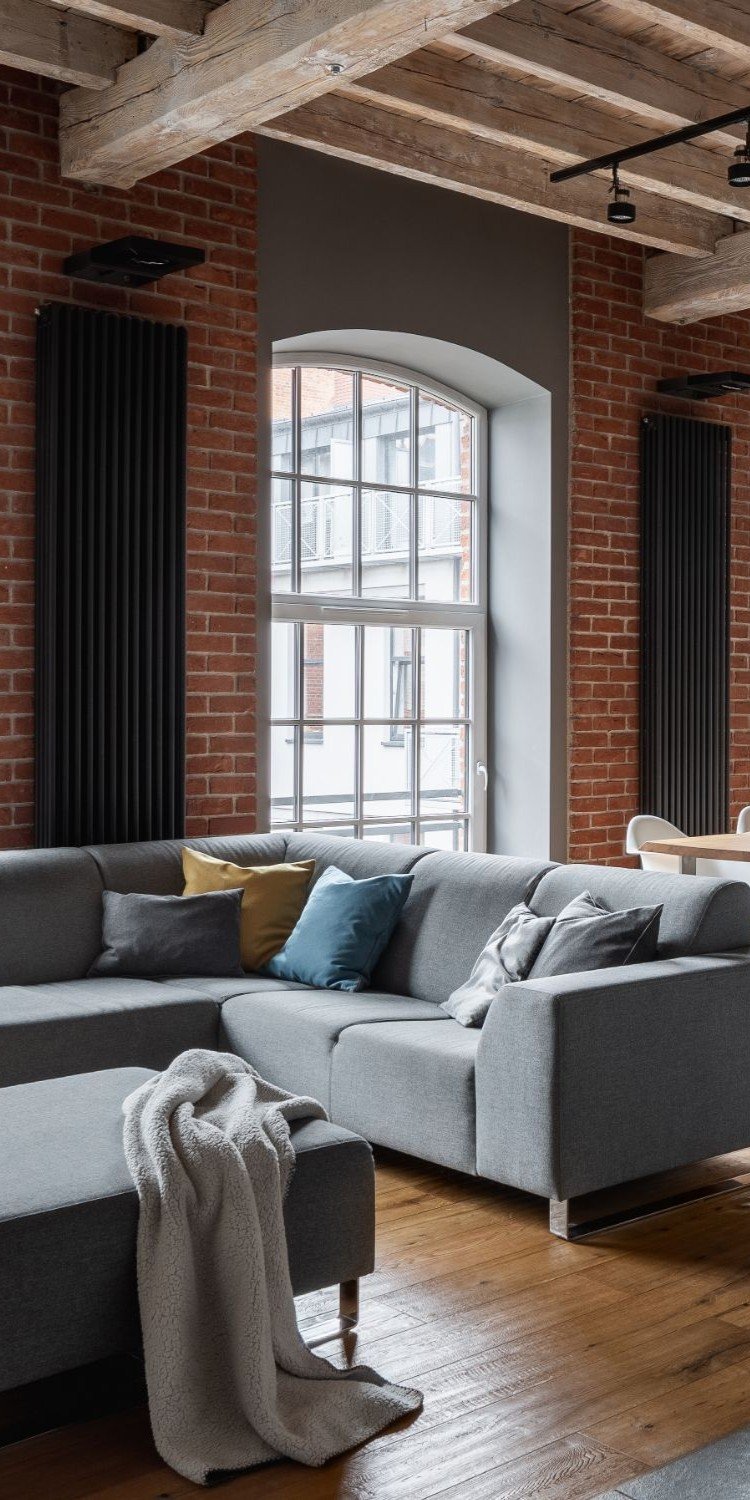
Many NoHo homes are converted prewar industrial or commercial lofts. They often feature open layouts, high ceilings, exposed brick, hardwood floors, and large factory-style windows. These design elements look great, but they can also reflect sound and increase echo inside the space.
Local noise sources vary by block. Typical inputs include busy corridors like Houston, Bowery, and Great Jones, lively restaurants and bars, delivery traffic, and nearby subway lines such as the B, D, F, M, and 6. Building systems like rooftop HVAC, chillers, exhaust fans, and elevator equipment can add a steady background hum. Neighbors above may contribute footfall and furniture movement, while shared walls can carry TV or conversation. Ongoing renovations around Manhattan can also create intermittent daytime noise.
Open-plan geometry matters. With fewer interior partitions, sound can travel from one end of a loft to the other. Tall ceilings lengthen reverberation time unless you add soft, absorptive finishes. Hard, reflective surfaces can make even moderate noise feel louder.
Know your noise: airborne, impact, vibration
Before you plan fixes, identify the type of sound you are dealing with.
- Airborne noise travels through air. Think voices, music, traffic. You reduce it by adding mass, sealing gaps, and using absorption.
- Impact noise is structure-borne. Footsteps and chair scrapes transmit through the floor and framing. You address it with isolation under floors or floating floor systems.
- Vibration often comes from subways or mechanical equipment. It can travel through the building structure and is harder to control without specialized engineering.
Professionals use a few key metrics:
- STC (Sound Transmission Class) compares how well a wall or similar assembly reduces airborne sound. Higher STC means better airborne control.
- IIC (Impact Insulation Class) rates a floor-ceiling assembly for footfall and similar impacts. Higher IIC is better.
- dB and dBA measure sound levels on site. Consultants use these to document conditions and target solutions.
Low-disruption fixes to try first
These options are cost-effective, reversible, and often make an immediate difference in lofts.
- Rugs and thick pads. They soften footfall, reduce echo, and improve comfort in open rooms.
- Heavy curtains and soft furnishings. They help tame reflections and cut some high-frequency street noise.
- Weatherstripping and acoustic seals. Treat door and window gaps, baseboards, and any obvious penetrations to reduce air paths.
- Sound masking. A small white-noise device can improve perceived privacy for voice and neighbor sounds, though it does not block transmission.
These steps will not eliminate low-frequency rumble from traffic or subways, but they can make day-to-day living noticeably more comfortable.
Mid-level upgrades most buyers use
These improvements balance effectiveness and disruption. They are common in NoHo and can be done as part of a cosmetic refresh.
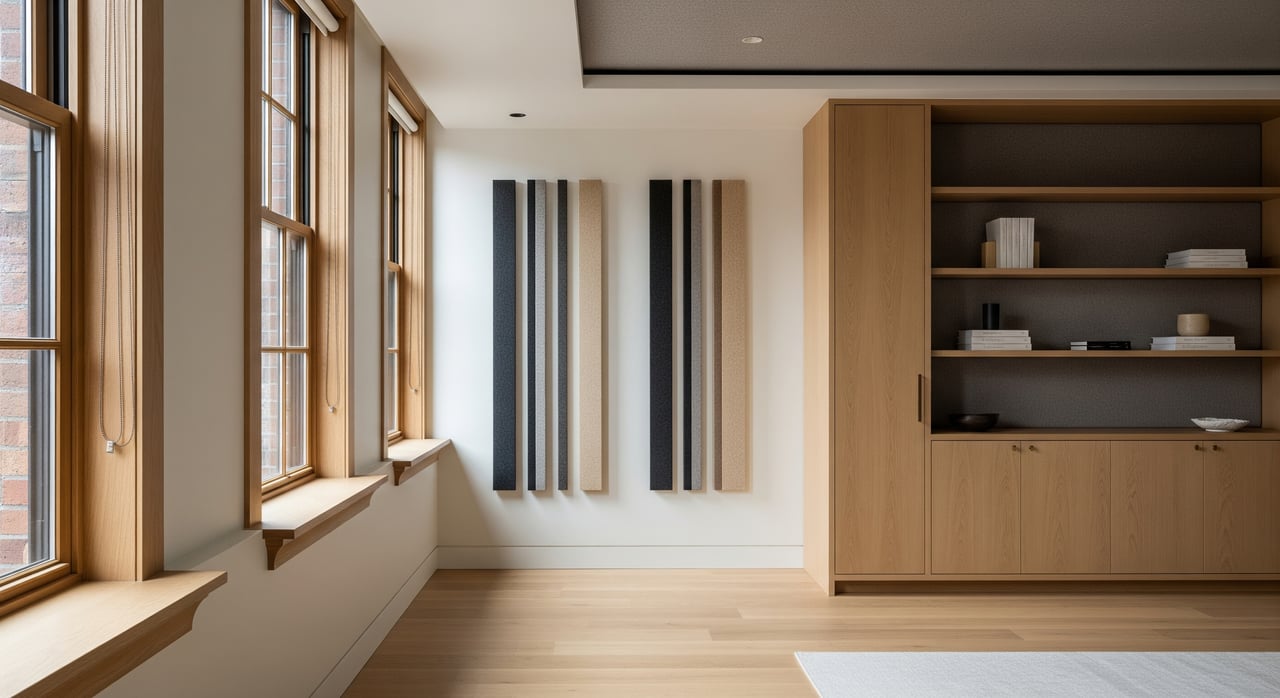
- Secondary glazing or interior inserts. Transparent interior storm panels add a second pane behind existing historic windows, increasing STC without changing the exterior. Because they are inside and not visible from the street, they are often a lower-risk option for landmarked buildings.
- Added drywall with damping. Installing an extra layer of drywall with a viscoelastic damping compound improves airborne isolation on party walls and exterior walls. It requires finishing, paint, and trim adjustments but can deliver a measurable step up in comfort.
- Mineral wool in cavities. Filling wall or ceiling cavities with mineral wool improves absorption and helps with voices and mid to high frequencies. It may require opening finishes.
- Floor underlayments or localized floating floors. Resilient underlayments under new flooring can raise IIC and reduce footfall. Scope and disruption vary based on whether you are replacing floors or targeting specific rooms.
Always check the building’s renovation rules. Co-op proprietary leases and condo bylaws often specify what you can alter, which contractors you can use, and quiet hours.
High-impact solutions and when they make sense
For significant airborne and impact challenges, especially between stacked units or when mechanical or transit vibration is the culprit, you may need specialized assemblies and approvals.
- Decoupled ceilings. A ceiling system with isolation clips and resilient channels can separate your finishes from the structure and curb both airborne and impact paths. This is effective but needs headroom and expert installation.
- Floor-ceiling overhauls. Adding isolation layers or a true floating floor assembly provides strong impact control, but it is intrusive and often requires coordination with neighbors and building management.
- High-performance window replacement. Laminated and insulated glazing can be very effective for street noise. In landmark districts, visible exterior changes often require Landmarks review, so weigh this path against interior secondary glazing.
- Mechanical isolation. If rooftop or in-unit equipment is the issue, solutions may include isolation mounts, duct lining, mufflers, or rebalancing. These projects typically require building-level cooperation and specialized contractors.
Large projects may require New York City Department of Buildings permits and, in landmarked areas, Landmarks Preservation Commission approval. Plan timelines accordingly and get building consent in writing before you start.
What to check before you buy
Do targeted due diligence so you know what you are stepping into.
- Visit at multiple times. Check mornings, daytime, evenings, and late nights. NoHo’s noise profile can change with nightlife, deliveries, and construction schedules.
- Listen intentionally. Spend 15 to 30 minutes in quiet mode with windows closed and open. Turn on HVAC and appliances if permitted.
- Test reverberation. A simple clap test tells you how reflective the space is. Long echoes mean you will want more absorption.
- Ask the right questions. Inquire about any repeated noise complaints and whether the building or unit appears in public NYC 311 records. Request invoices and permits for prior soundproofing work. Confirm rules on floor coverings, renovation approvals, and quiet hours.
- Look ahead. Ask management about planned rooftop or mechanical projects that could add noise. Confirm washer-dryer policies and whether anti-vibration pads are required for in-unit machines.
You can also request documentation: permit histories for the unit and building, any past acoustic testing, relevant house rules or bylaws, and any disclosures about noise-related disputes.
Permits, boards, and landmark rules in NoHo
Understand the layers of approval before you budget or schedule work.
- Department of Buildings. Structural changes, permanent alterations to windows, or major mechanical modifications typically need DOB permits.
- Landmarks Preservation Commission. Many NoHo buildings fall within historic districts. Visible exterior alterations, including window replacements, often require LPC review and approval. Interior secondary glazing is often a lower-risk path since it is not visible from the street.
- Co-op and condo oversight. Boards usually require prior written approval for renovations that affect common elements, structure, or building systems. House rules may dictate acceptable hours, floor underlayment standards, or contractor insurance requirements.
Coordinate early with management. Clear expectations reduce delays and help you choose solutions that fit both performance goals and approval pathways.
Set realistic expectations
Not all noise is equal, and not every fix is a silver bullet.
- Small steps like rugs, curtains, and seals improve comfort and reduce echo, but they will not solve low-frequency rumble from traffic or subways.
- Adding mass, damping, and decoupling can dramatically reduce voices, TV, and mid to high-frequency street noise.
- Vibration and very low-frequency issues from transit or heavy mechanicals are the hardest to tame and often require specialist engineering, careful detailing, and higher budgets.
The World Health Organization notes that prolonged exposure to high environmental noise can affect sleep and overall health. If quiet is a top priority for you, build testing and targeted upgrades into your plan.
A quick walkthrough checklist
Use this simple sequence as you tour and evaluate a NoHo loft.
- Before your visit. Search public NYC 311 complaint history for the building and check listing photos for window type and soft finishes.
- Viewing 1 during daytime. Note street noise with windows open and closed. Listen for rooftop mechanical hum. If appropriate, politely ask neighbors about their experience.
- Viewing 2 during evening or weekend. Check for nightlife and pedestrian noise. Turn on HVAC and appliances to test internal sound.
- Ask the seller and management. Request invoices and permits for any soundproofing, rules on renovations and noise, and whether prior work carries a warranty.
- If concerns remain. Consider an overnight stay nearby to test sleep quality. For a serious purchase, schedule a pre-offer acoustic survey or include an inspection contingency.
When to hire an acoustics pro
If noise is a material concern, or you are planning a renovation with isolation goals, bring in an acoustical consultant. They can take dBA measurements, identify flanking paths, and specify assemblies that balance STC and IIC performance with your ceiling height and layout. For suspected subway or mechanical vibration, a vibration consultant or mechanical engineer can propose targeted isolation or equipment modifications. An experienced contractor who understands apartment acoustics can also help you sequence work to avoid redoing finishes later.
Your next step
Noise in NoHo is manageable when you diagnose the source and match the fix to the building’s constraints and rules. If you want help evaluating a specific loft, reviewing board policies, or planning a sound-smart renovation strategy that will clear approvals, reach out to The Johnny Lal Team. We pair building-level relationships with practical, data-informed advice so you can buy with confidence.
FAQs
How can I reduce street noise in a NoHo loft with historic windows?
- Interior secondary glazing or storm-style inserts add mass and air space without altering the exterior, making them a strong option where landmark rules apply.
What do STC and IIC mean for loft buyers?
- STC rates airborne sound blocking for walls and similar assemblies, while IIC rates footfall performance for floor-ceiling systems; higher numbers generally mean better isolation.
Do rugs really help with upstairs footsteps?
- Thick rugs with quality pads reduce impact noise and echo inside your unit, and building rules sometimes require them as part of a larger sound control approach.
Can I replace windows in a NoHo landmark building?
- Often yes, but visible exterior changes may require Landmarks Preservation Commission approval; interior secondary glazing is usually a simpler, lower-risk route.
What should I ask the co-op or condo board before renovating for sound?
- Request house rules, bylaws, and any floor underlayment standards, confirm permitted hours, and clarify approvals for wall, ceiling, or window work.
How do I check if a building has noise complaints?
- NYC 311 maintains public complaint records by address; review recent history to understand patterns and discuss any concerns with management before you buy.