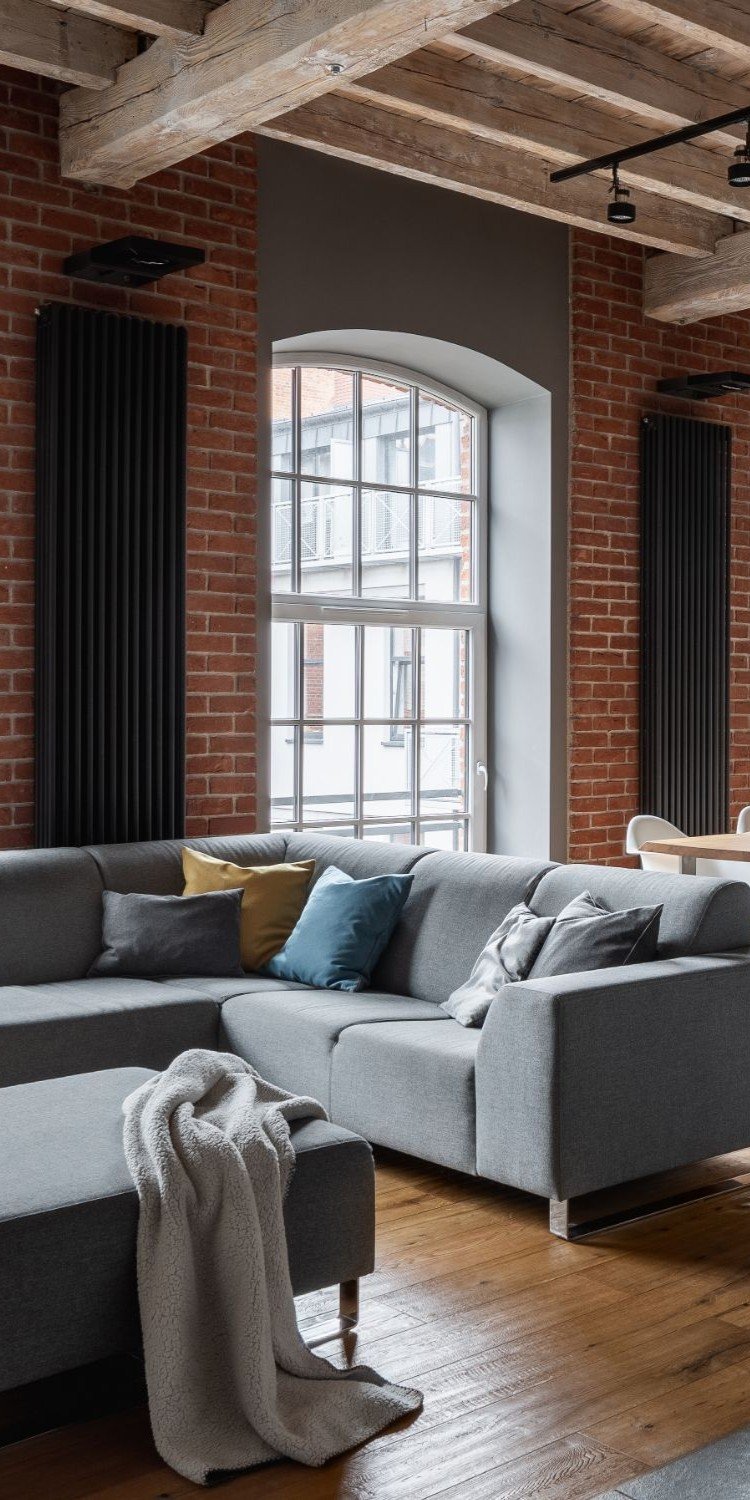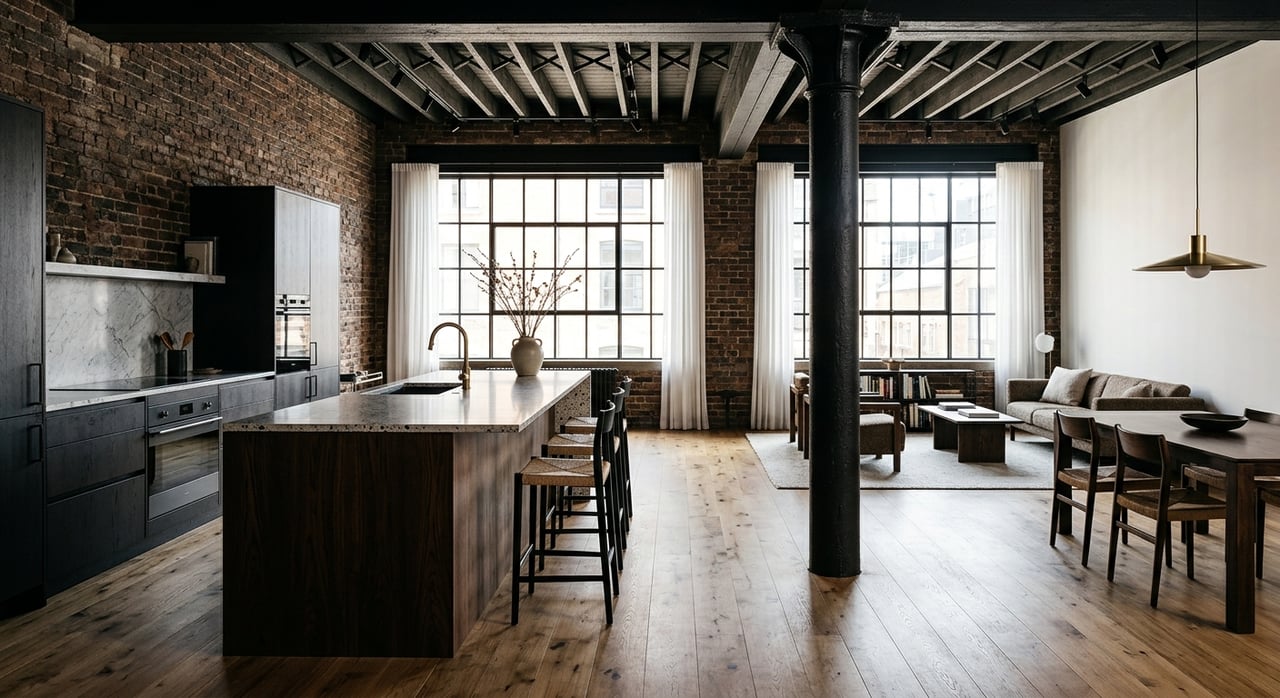
Wondering why one Tribeca loft sells quickly while another sits, even in a premium market? If you are getting ready to sell, you are not just pricing square footage. You are pricing volume, light, history, condition, and how your loft stacks up against a very specific set of buyers and competing listings. This guide walks you through how to price and prepare a Tribeca loft with more confidence, so you can launch strategically and protect your net proceeds. Let’s dive in.
Understand Tribeca pricing first
Tribeca remains one of Manhattan’s most expensive downtown submarkets, but the numbers can look different depending on the source and timing. PropertyShark reported an April 2026 median sale price of $3.4 million, a median price per square foot of $1,786, and 11 transactions. Realtor.com’s December 2025 summary showed a median home price of $4,497,500, $2,103 per square foot, 149 active listings, and 105 average days on market.
That does not mean the data is unreliable. It means Tribeca is a small, high-value market where monthly results can shift based on a limited number of sales and the mix of properties that closed. For you as a seller, the lesson is simple: broad averages help with context, but they should not be your pricing strategy.
Manhattan overall also entered Q1 2026 with 2,757 closings, $6.2 billion in sales volume, just over 6,000 active units, and a median price of about $1.28 million. That wider backdrop matters because buyers in Tribeca are still comparing value, timing, and condition. In an active but disciplined market, pricing mistakes tend to show up fast.
Price a loft by the right comps
Start with building history
For a Tribeca loft, the best comp set usually begins inside your own building. Recorded history can show prior sale prices, deed history, mortgage filings, and the timing of earlier transfers. NYC’s ACRIS system allows you to search Manhattan property records and document images back to 1966, while the Department of Finance provides sales data, deeds, mortgage documents, digital tax maps, and co-op and condo comparable valuations.
This matters because Tribeca loft buildings are rarely interchangeable. A sale from your exact line, floor range, or exposure often says more than a broader neighborhood average. If your loft has a similar layout, ceiling height, window line, or level of renovation to a recent in-building sale, that comp may deserve the most weight.
Use nearby closed sales carefully
After building history, look to nearby closed sales that truly resemble your loft. In Tribeca, that often means comparing by price per square foot, layout, scale, exposure, and building type rather than relying too much on bedroom count. Miller Samuel’s SoHo/TriBeCa corridor data notes that the loft market can skew bedroom breakout numbers, which is why the broader “All” category is often more useful.
In 2025, SoHo/TriBeCa condos posted a median sales price of $3,797,500 and $2,375 per square foot. Co-ops posted a median sales price of $2,642,500 and $1,712 per square foot. Those numbers are helpful reference points, but your loft should still be judged against the most similar closed sales, not just a corridor-wide median.
Study current competition too
Closed sales help set the value range, but active listings shape buyer expectations in real time. If similar lofts are on the market at lower asking prices, buyers will use those listings as leverage. If your direct competition is limited, especially for a certain scale or character, you may have more pricing flexibility.
This is where disciplined positioning matters. In a market like Tribeca, buyers notice when a listing feels aspirational rather than evidence-based. A well-priced loft can create urgency, while an overreaching launch can lead to extra days on market and a weaker negotiating position.
What buyers pay for in Tribeca lofts
Volume and light drive value
Tribeca’s identity is closely tied to its 19th-century store-and-loft buildings, many of which were designed with large open interiors. The Tribeca South Historic District Extension report describes predominantly five-story Italianate store-and-loft buildings from the 1850s, built to provide open space for storage and selling goods. That original design language still affects buyer behavior today.
In practical terms, many buyers are paying for ceiling height, window scale, openness, and architectural character as much as they are paying for finishes. A loft with better light, cleaner sightlines, and stronger proportions may outperform a more updated unit that feels chopped up or visually heavy.
Bedroom count can be misleading
Traditional apartment pricing often starts with bedroom count. In Tribeca lofts, that shortcut can lead you off course. Loft layouts vary widely, and two homes with the same bedroom count can feel completely different in scale, function, and appeal.
That is why pricing should lean more heavily on the actual experience of the space. Buyers will react to how the loft lives, how bright it feels, and how flexible the layout seems. Those factors often do more to shape value than a simple bedroom label.
Prepare the loft before you launch
Finish repairs before listing
Corcoran’s Q1 2026 Manhattan report noted that when a home is priced correctly and move-in ready, it sells quickly. In an active but timing-sensitive market, that argues for completing repairs, staging, photography, and approvals before going live. Rushing to market with loose ends can work against you.
Your pre-listing checklist should focus on visible condition first. Buyers in this price range notice deferred maintenance, tired finishes, and anything that suggests future hassle. Even small unresolved items can distract from the loft’s strongest features.
Check landmark or historic district rules
If your building is landmarked or located within a historic district, pre-listing work needs extra attention. The NYC Landmarks Preservation Commission says most exterior changes in historic districts require review, and some work may need LPC approval even if it does not require a DOB permit. Ordinary repairs such as replacing broken window glass, caulking around windows and doors, or repainting in kind generally do not require LPC approval.
For sellers, the key issue is timing. If you are considering window work, facade-related repairs, storefront changes, or HVAC louver work, it is smart to confirm requirements early. That can help you avoid pushing back your listing date because approvals were not addressed in time.
Stage the loft to show scale
Make the space feel bigger
Staging can influence both buyer perception and sale speed. The 2025 staging report found that staging made it easier for 83% of buyers’ agents to help clients visualize a home, while 49% of sellers’ agents reported faster sales. Another 29% saw a 1% to 10% increase in dollar value offered.
In a Tribeca loft, staging should support the architecture rather than compete with it. That usually means fewer pieces, better spacing, and a layout that keeps the eye moving toward the windows and across the room. The goal is to help buyers understand the scale of the loft right away.
Highlight light and character
The most effective presentation often includes:
- Smaller or more carefully scaled furniture
- Clearer sightlines to windows
- Reduced visual clutter
- Stronger layered lighting
- A simple palette that lets original materials stand out
This approach works because Tribeca buyers are often drawn to openness and authenticity. You want the loft to feel bright, calm, and finished, while still preserving its industrial character.
Build a conservative net sheet
Pricing should never stop at the asking number. Your real decision point is net proceeds after taxes, preparation costs, and carrying costs are factored in. In New York City, the Real Property Transfer Tax applies to sales and transfers of real property and co-op shares.
According to NYC rules, residential transfers are taxed at 1.0% up to $500,000 and 1.425% above that, with the return generally due within 30 days. For most Tribeca loft sales, that means transfer tax is a material line item. If you also have staging costs, repair costs, and monthly carrying costs while the property is on the market, those should be modeled before the list price is finalized.
Why timing matters in Tribeca
Tribeca buyers can move quickly, but they are often selective and well-informed. Corcoran described Manhattan’s 2026 market as active but disciplined, with buyers more timing-sensitive than impulsive. That means your launch should feel complete on day one.
A strong debut usually comes from combining accurate pricing, polished preparation, and a clear understanding of your competition. When those pieces line up, your loft has a better chance of attracting serious interest early, before the market starts asking why it has not sold.
Selling a Tribeca loft is rarely about one number or one cosmetic update. It is about reading the building, the block, the buyer pool, and the timing of the market with precision. If you want a strategy built around real comps, careful preparation, and smart positioning, Varun Sharma can help you plan your next move.
FAQs
What are the best comps for pricing a Tribeca loft?
- The strongest comps are usually recent closed sales in your own building, especially the same line, similar floor, similar exposure, and similar condition. After that, nearby loft sales with comparable scale, layout, and price per square foot can help refine the range.
How important is my building’s sales history when selling a Tribeca loft?
- Building history is very important because Tribeca loft stock is highly specific. Prior sales in the same building often provide more useful pricing guidance than broad neighborhood averages.
Should I price a Tribeca loft by bedroom count?
- Usually not by bedroom count alone. In Tribeca, loft layouts vary so much that price per square foot, openness, light, and overall functionality are often more meaningful.
Does landmark status affect repairs before selling a Tribeca loft?
- Yes, it can. If your building is landmarked or in a historic district, some exterior work may require LPC review or approval, even if it does not need a DOB permit.
What staging matters most for a Tribeca loft sale?
- The most important choices are the ones that emphasize scale, light, and architectural character. That often means fewer furnishings, less clutter, clearer window views, and lighting that helps the loft feel bright and open.
What closing costs should Tribeca loft sellers plan for?
- A conservative net sheet should include NYC transfer tax, preparation costs such as repairs or staging, and carrying costs during the listing period. Those items can meaningfully affect your final proceeds.