What does luxury really mean in NoHo? If you have toured a few downtown listings, you know the feeling when a keyed elevator opens to a calm, floor-through space and the city noise drops away. In NoHo, that experience is the point. In this guide, you will learn how boutique buildings define luxury here, how they differ from tower districts, what to look for in listings, and which addresses illustrate the standard. Let’s dive in.
Why NoHo breeds boutique luxury
NoHo is a compact pocket north of Houston Street known for cast-iron façades, loft conversions, and cobblestoned Bond Street. Much of the neighborhood sits inside designated historic districts, which preserve low-rise streetscapes and limit the scale of new towers. Those protections, plus local zoning, have shaped a development pattern that favors conversions, adaptive reuse and smaller infill. The result is a market where carefully crafted, low-density projects thrive and feel natural to the area’s fabric. Village Preservation’s designation reports explain the context and why large-scale construction is rare inside the district.
From a pricing standpoint, NoHo ranks among the priciest neighborhoods in New York City by median sale price. Scarcity plays a big role, as does architectural appeal and the reputation of key blocks like Bond Street. For current rankings and medians, check PropertyShark’s most expensive neighborhoods report before you quote specific figures.
What boutique luxury means here
Scale and layouts
Boutique in NoHo often means small unit counts and large, floor-through homes. Think single-digit or low double-digit residences in a building, with many floors dedicated to a single apartment. This delivers privacy, expansive layouts and a calm arrival. Addresses like 25 Bond Street illustrate the model with around ten large residences that emphasize space over amenity mass.
Arrival and privacy
The arrival experience is a signature. Private or keyed elevators that open directly into your home are common and highly prized, because they blend convenience with security and discretion. CityRealty’s feature on direct elevator access captures why this detail signals a top tier of urban living. On Bond Street and similar blocks, some residences also offer townhouse-style entries and planted private gardens for a house-like feel in the heart of downtown.
Materials and customization
Boutique luxury here is materials-first. You will often see premium European appliance suites, custom kitchens, wide-plank oak floors, book-matched stone, and meticulous millwork. Sponsor materials for 40 Bond Street showcase this approach with custom kitchens and designer finishes that set a high bar for craftsmanship.
Amenities with intention
Amenities in NoHo boutique buildings are curated rather than sprawling. You might find landscaped courtyards, a compact but well-designed fitness room, or a staffed lobby that focuses on service instead of spectacle. Some new developments add distinctive offerings without going full hotel mode. 40 Bleecker pairs high design with an indoor pool and a landscaped courtyard, while the property also drew attention for a wellness-forward retail partner offering IV therapy, as covered by Forbes.
Buildings that define the spectrum
40 Bond Street
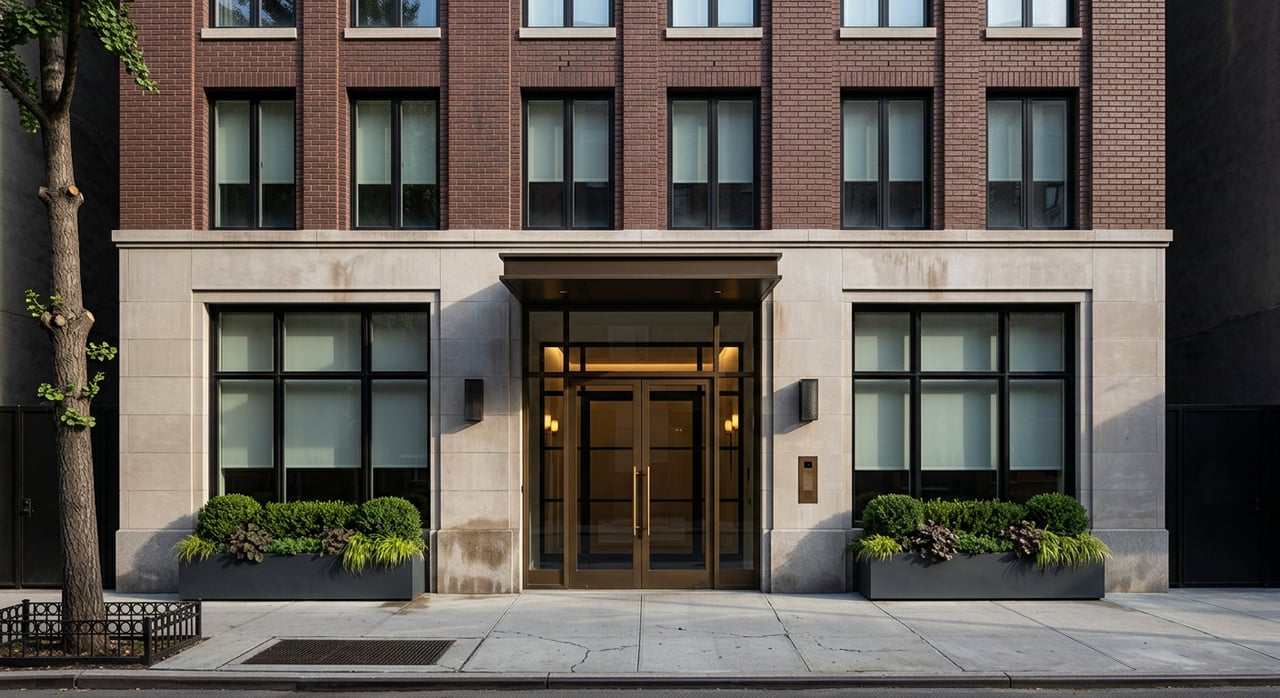
Designed by Herzog & de Meuron with Ian Schrager, 40 Bond is an 11-story, design-led condominium with a small unit count and a bold architectural identity. Its residences feature floor-to-ceiling glass, high ceilings and custom interiors, and select townhouse-style homes include private gardens behind the building’s distinctive gate. The property is a crisp example of architecture and finish as the amenity. Explore finishes and layouts on the official 40 Bond site.
25 Bond Street
An eight-story boutique condominium with roughly ten residences, 25 Bond is the archetype of large, full-floor living. The development trades hotel-like amenity stacks for space, finish and privacy. Apartments tend to be expansive with generous ceiling heights and refined materials. It is a prime reference point when you want exclusivity over scale.
40 Bleecker
A recent infill that reads modern and polished, 40 Bleecker combines high-end interiors with a thoughtful amenity set, including an indoor pool and a landscaped courtyard. The building illustrates how NoHo can layer wellness and design without feeling like a resort tower. For program and finish details, see the 40 Bleecker website and related wellness coverage in Forbes.
The Silk Building
At 14 East 4th Street, The Silk Building is a historic factory conversion that tells the classic NoHo loft story. Expect high ceilings, unique duplex and triplex layouts in some residences, and a more intimate, service-oriented condo operation than you would find in a large tower. Its conversion history and building overview are captured in CityRealty’s profile.
Bond Street as a microcosm
Listings along Bond Street often emphasize a handful of recurring themes: floor-through plans, private elevator access, and standout natural stone and millwork. This block is where you see NoHo’s boutique DNA at its clearest. For a snapshot of how these elements are presented across high-design condos, review CityRealty’s roundups of avant-garde listings, which include Bond Street examples.
Boutique vs tower luxury
Think of downtown luxury as two models that serve different priorities. NoHo’s boutique model centers on privacy, architecture and materials, with smaller buildings and fewer neighbors. Tower districts focus on scale, skyline views, and large shared amenity ecosystems like hotel-grade spas, branded gyms and expansive lounges. Both are valid expressions of luxury, but they create different daily rhythms and social dynamics. For a market-level view of how neighborhood supply shapes medians across the city, consult PropertyShark’s rankings.
How to read a NoHo listing
Quick checklist
- Private or keyed elevator with direct entry or a limited landing. This is a strong signal of privacy and exclusivity. See CityRealty’s overview of direct elevator features for context.
- Floor-through or full-floor layouts that maximize light, cross-ventilation and separation of public and private zones.
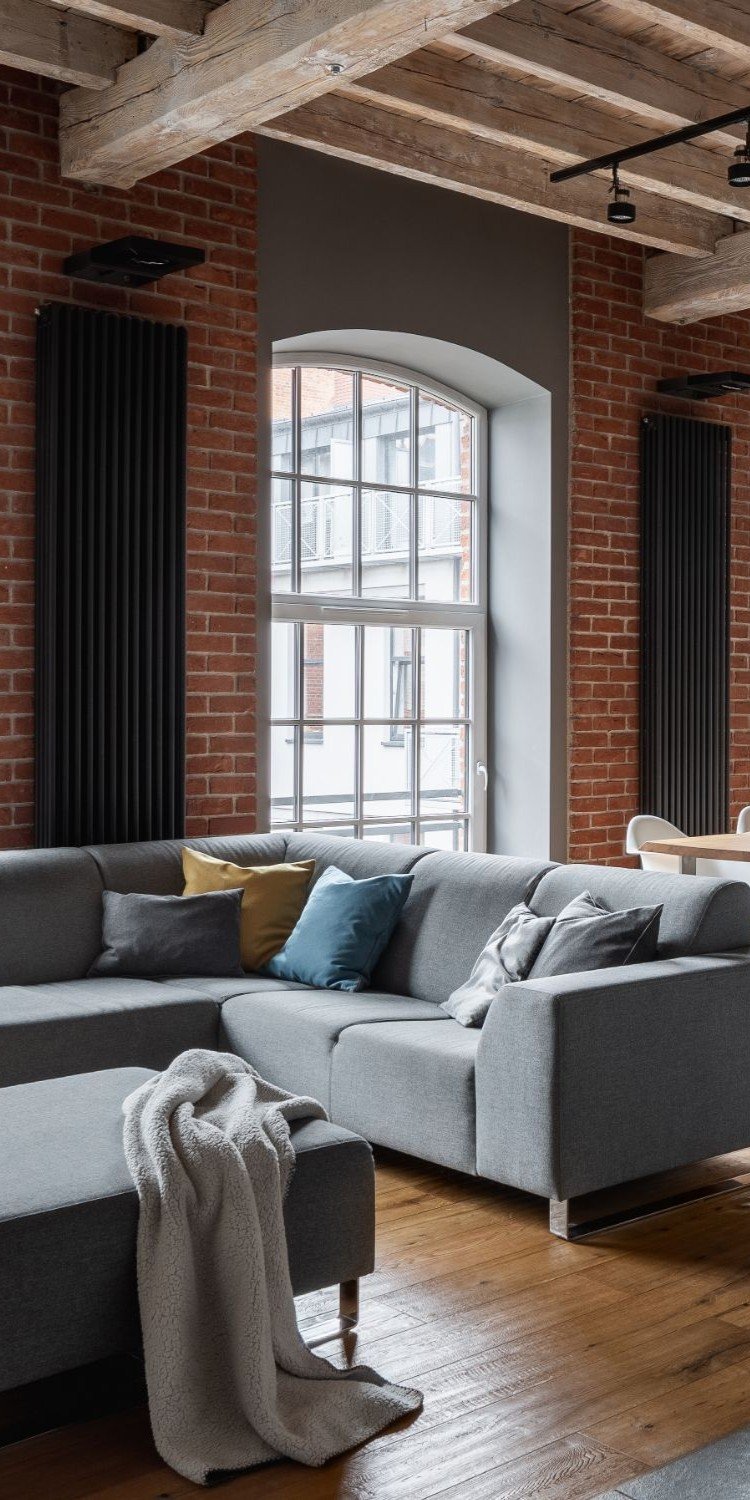
- Ceiling height and any original loft features, such as exposed brick, beams or cast-iron details.
- Finish quality: appliance brands, custom cabinetry, stone selection, metalwork, and bathroom design.
- Outdoor space: deeded terraces, balconies, or private gardens, especially on Bond Street and similar blocks.
- Service level: 24-hour doorman, part-time lobby staff, or virtual entry. Match your lifestyle needs to the building’s staffing.
- Ownership type: condo or co-op. Condos dominate recent NoHo developments, while some co-ops and historic conversions remain nearby. Co-ops add board approvals and different financing considerations.
Price context and data
In a neighborhood with limited supply, pricing can swing significantly based on recent trades in a small number of buildings. When you set expectations, pair a citywide perspective with building-level comps. Use the latest edition of PropertyShark’s neighborhood ranking for medians, then review current listings and recent closings in the specific building you are targeting. Always lean on the most recent data when discussing numbers, since medians move with each quarter’s closed sales.
Buyer takeaways
If privacy, craftsmanship and design-led living are your top priorities, NoHo’s boutique buildings deliver that experience across a compact set of addresses. You will trade hotel-scale amenities for smarter, more intentional spaces and a calmer arrival. Focus on elevator experience, layout, material quality and any outdoor elements, then assess the building’s service level against your comfort and routine. With a small, high-demand inventory, preparation and timing matter.
When you are ready to discuss listings or plan a downtown search, connect with The Johnny Lal Team. Our building-level expertise, board-savvy guidance and modern marketing help you move quickly and confidently in NoHo and across Downtown Manhattan.
FAQs
What does “boutique” mean in NoHo?
- Small buildings with limited residences, many full-floor layouts, keyed elevator entry, and a materials-first approach to finishes and design.
How is NoHo luxury different from Hudson Yards?
- NoHo prioritizes privacy, architecture and crafted interiors, while tower districts lean into skyline views and large-scale, hotel-like amenity programs.
Do boutique buildings have fewer amenities?
- Yes, but by design; amenities are curated and often wellness- or design-focused rather than extensive, as seen at 40 Bleecker.
How should I think about NoHo prices today?
- Treat NoHo as a top-tier price market driven by scarcity and design; check the latest PropertyShark rankings for current medians.
Are most NoHo homes condos or co-ops?
- Newer developments are largely condos, while some historic conversions and nearby buildings include co-ops that add board approvals and specific financing rules.
What should I look for during showings?
- Confirm direct elevator entry, ceiling height, layout flow, finish quality, outdoor space, and service level to ensure the home matches your privacy and lifestyle goals.