If you think the West Village is just one pretty neighborhood, you will miss what actually matters as a buyer. Here, a one-block shift can change how a street feels, how much foot traffic you see, and what kind of building stock you are touring. If you want to buy with more confidence, it helps to know which streets feel tucked away, which ones stay active, and how landmark rules can shape your options. Let’s dive in.
Why West Village streets matter
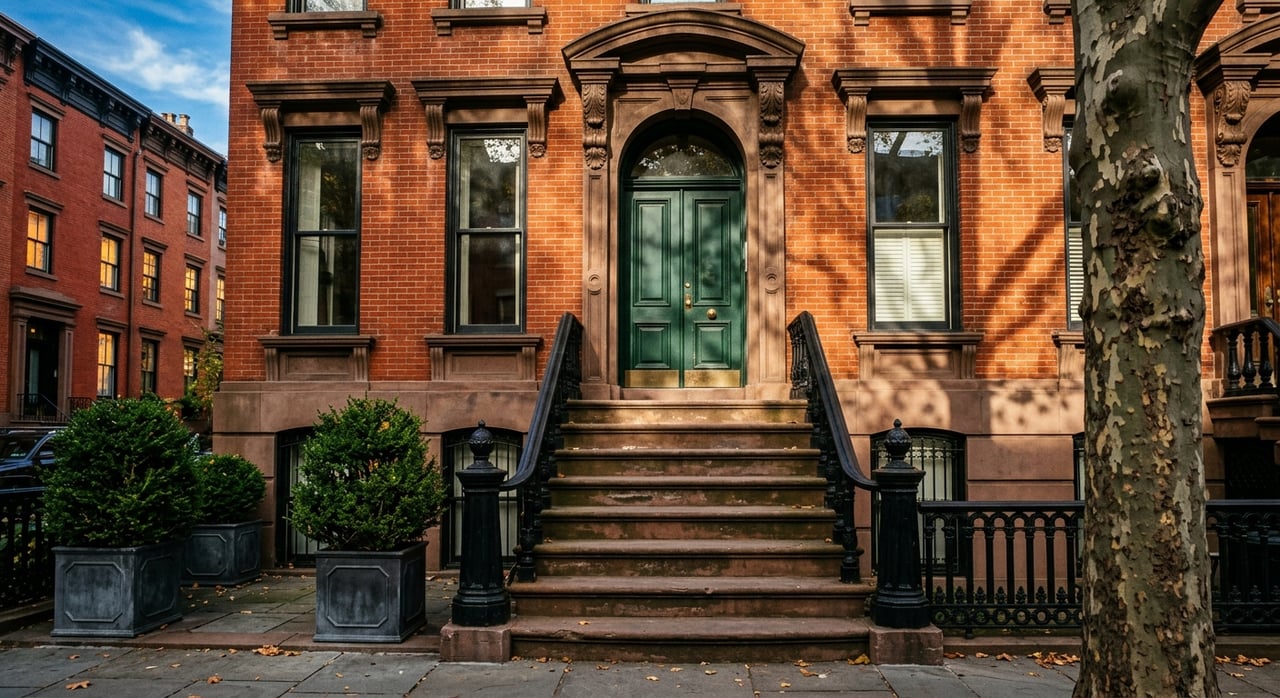
The West Village works best as a collection of micro-locations, not a single uniform market. The Greenwich Village Historic District and its extensions include streets like Bedford, Perry, Christopher, Grove, Cornelia, Gay, Commerce, and parts of West 10th, West 11th, and West 12th Streets. Across those blocks, the streetscape includes rowhouses, tenements, former stables, institutional buildings, warehouses, and later apartment conversions.
That variety is exactly why buyers should pay close attention to street-level differences. In practical terms, the biggest distinction is often not east versus west. It is quiet interior blocks versus busier edge corridors.
Bedford Street feels quintessentially West Village
Bedford Street is one of the clearest examples of the West Village’s intimate scale. It is known for small historic homes, narrow frontage, and a streetscape that feels more tucked-in than grand. If you picture the neighborhood as charming, low-rise, and highly photogenic, Bedford is a big reason why.
Several well-known addresses tell the story. At Bedford and Commerce, 77 Bedford Street is identified by Village Preservation as the oldest surviving house in Greenwich Village. Nearby, 75 1/2 Bedford Street is known as the narrowest house in the Village, and 102 Bedford, called Twin Peaks, remade an 1830 rowhouse into an artists’ studio building in 1925.
For buyers, Bedford often signals historic character over scale. If you are drawn to unusual layouts, smaller buildings, and blocks with a strong sense of place, this is one of the first streets to understand.
Commerce Street feels hidden and quiet
Commerce Street has a tucked-away quality that stands out even in the West Village. The block bends, dead-ends onto Barrow Street, and feels visually separated from the faster pace found on larger nearby streets. That unusual geometry helps create a sheltered, almost secretive feel.
Village Preservation highlights 39 and 41 Commerce Street, the neighborhood’s well-known twin houses built in 1831 and 1832 and later given mansard roofs. That architectural detail, combined with the bend in the street, gives Commerce much of its visual identity.
If you are comparing micro-locations, Commerce tends to appeal to buyers who want a quiet, storybook setting. It is the kind of block where the mood of the street can matter as much as the square footage inside the apartment or house.
Grove Street offers intimacy with nuance
Grove Street is another street where the scale feels especially personal. It has a softer, more residential rhythm than some of the neighborhood’s busier corridors, but not every part of Grove reads the same way. That is important when you are evaluating a listing.
A key example is Grove Court, a gated cluster of small houses built in 1852 to 1854 as workingmen’s cottages behind older Grove Street row houses. The National Park Service also notes that the Stonewall National Monument landscape includes nearby areas such as Christopher Street, Christopher Park, and parts of Grove Street.
For buyers, Grove is a reminder that frontage matters. A home directly on the street may experience a different level of visibility and foot traffic than one tucked behind a gate or set deeper into a court-like setting.
Perry Street blends charm and history
Perry Street offers the classic rowhouse atmosphere many buyers come to the West Village looking for, but with details that reveal the neighborhood’s layered history. It feels residential, yet it still carries visible reminders of earlier cultural and architectural chapters.
Village Preservation points to 88 Perry Street, where an 1860s tenement facade includes a 1972 Spanish tile mural tied to Little Spain. It also highlights 93 Perry Street, which has a hidden courtyard reached through an arched passage and narrow horse walk.
That mix makes Perry especially appealing if you want a block that feels elegant without feeling flat or overly polished. For many buyers, Perry hits a sweet spot between residential calm and neighborhood texture.
Cornelia Street is small but strategic
Cornelia Street is only one block long, yet it punches above its size in buyer appeal. Even though it sits close to Sixth Avenue and West 4th Street, it can feel removed from both. That balance is part of what makes it so memorable.
According to a Village Preservation South Village tour, Cornelia includes a mix of tenements, altered rowhouses, commercial buildings, and a stable converted to residential use. The former Varitype building at Sixth Avenue also helps buffer the block from the larger scale of the avenue.
For buyers, Cornelia is a strong example of a walk-everywhere street that still feels tucked away. If you want quick access to transit and dining without living directly on a major corridor, this is the kind of block worth watching.
Christopher Street is the liveliest corridor
Christopher Street stands apart from the quieter residential-feeling streets. It is one of the neighborhood’s most active corridors, with clear transit access, retail activity, public space, and steady civic foot traffic. It also carries major historical significance.
In 2024, the MTA renamed the Christopher Street-Sheridan Square station Christopher Street-Stonewall Station. The National Park Service also states that the Stonewall National Monument Visitor Center opened on June 28, 2024, on Christopher Street between Seventh Avenue and Waverly Place, and that Christopher Park is one of the only public open spaces serving Greenwich Village west of Sixth Avenue.
For buyers, Christopher Street is usually less about seclusion and more about energy, access, and location convenience. If your priority is being close to transit, public space, and one of the area’s most active corridors, it deserves serious attention.
West 10th, 11th, and 12th show range
West 10th, West 11th, and West 12th Streets show another side of the West Village. These blocks often deliver the classic townhouse image many people associate with downtown Manhattan, while also revealing how building types shift as you move farther west.
Village Preservation identifies Renwick Row at 20 to 38 West 10th Street as a rare English Terrace-style row with a shared balcony and low stoops. It also notes that 37 West 12th Street, the Butterfield House, is a modernist outlier that still fits comfortably among brick and stone neighbors.
As you move closer to the Hudson River edge, the historic district extension materials point to more warehouses, factories, stables, and later apartment conversions. For buyers, that means these streets can offer a broader mix of townhouse blocks, larger buildings, and converted properties than the smaller interior lanes.
How to read the West Village micro-map
A useful way to think about the neighborhood is to group streets by feel. Bedford, Commerce, Grove, Perry, and Cornelia generally lean toward the smaller-scale, tucked-away, residential version of the West Village. Christopher Street leans toward activity, transit, and civic importance.
The farther west you go, especially toward the waterfront edge, the building stock becomes more mixed because of the area’s warehouse and industrial past. That does not make one part better than another. It simply means you should match the street to your priorities.
Here is a simple way to frame it during your search:
- If you want quiet, low-scale charm, start with Bedford, Commerce, Grove, Perry, and Cornelia.
- If you want more activity and easier transit access, look closely at Christopher Street.
- If you want a wider mix of townhouses, conversions, and larger buildings, explore West 10th, West 11th, and West 12th, especially as you move west.
Landmark status should shape your expectations
Many of these blocks sit within landmarked historic districts. That matters because visible exterior changes on landmarked properties are regulated by the New York City Landmarks Preservation Commission.
For buyers, this does not tell you whether a home is right or wrong for you. It does mean you should enter the process with realistic expectations about what can be changed on the exterior and how preservation review may affect future plans. In the West Village, character and regulation often go hand in hand.
What buyers should focus on during tours
When you tour homes on these streets, it helps to look beyond finishes and staging. The street itself is part of the asset. In a neighborhood built on micro-location, your experience of the block can shape day-to-day enjoyment as much as the apartment layout.
As you compare listings, pay attention to:
- The difference between an interior-feeling block and a major corridor
- Whether the home faces the street, a courtyard, or a more tucked-away setting
- The building type, such as rowhouse, tenement conversion, studio building, or larger apartment property
- How close the home sits to transit, public space, and commercial activity
- Whether landmark rules may affect visible exterior work over time
A buyer who understands these details tends to make sharper comparisons. In the West Village, knowing the street is often the fastest way to understand the home.
If you want help narrowing the search to the right West Village block, building type, or buyer strategy, Varun Sharma can help you read the neighborhood the way locals and serious buyers do.
FAQs
Which West Village streets feel the quietest for buyers?
- Bedford, Commerce, Grove, Perry, and Cornelia generally read as the quieter, more residential-feeling micro-locations in the West Village.
What makes Christopher Street different from other West Village streets?
- Christopher Street stands out for its transit access, public space, civic importance, and higher foot traffic compared with the neighborhood’s more tucked-away interior blocks.
Are West Village homes on landmarked streets subject to extra rules?
- Yes. Many West Village properties sit within landmarked historic districts, and visible exterior changes are regulated by the New York City Landmarks Preservation Commission.
Why do West Village buyers need to think in micro-locations?
- The West Village has a wide mix of street types, building forms, and activity levels, so a one-block change can noticeably affect privacy, atmosphere, and housing stock.
Which West Village streets offer more varied building types?
- West 10th, West 11th, and West 12th Streets, especially farther west, tend to show a broader mix that can include townhouse blocks, former industrial structures, stables, and later apartment conversions.