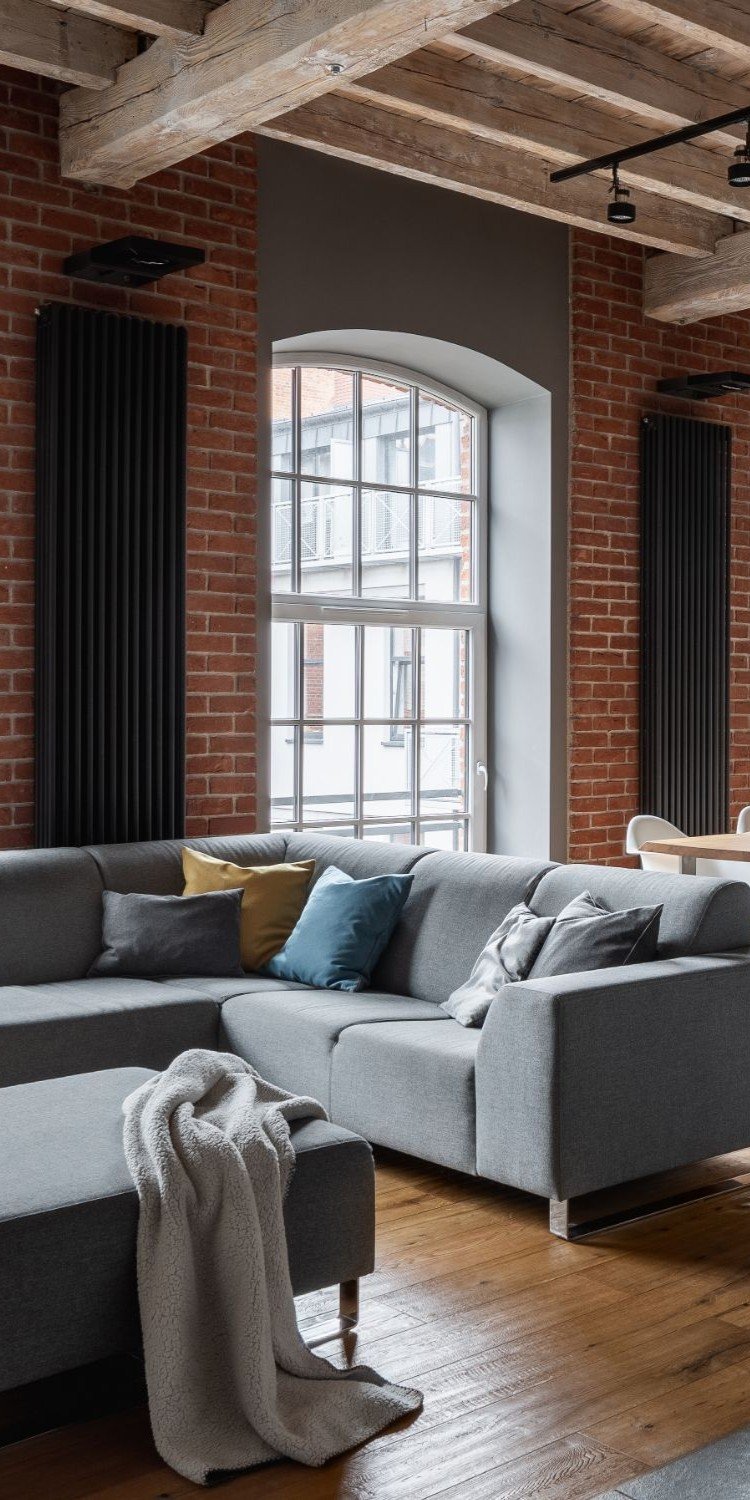
Selling a Greenwich Village co-op can feel like you are managing two sales at once: one for the apartment and one for the building process around it. In a neighborhood where buyers pay close attention and inventory stays limited, small mistakes can slow you down fast. The good news is that a smoother sale usually comes from getting a few key things right early. If you want fewer surprises, stronger buyer confidence, and a cleaner path to closing, start here.
Start With Building Rules
Before you think about photos, open houses, or pricing, focus on your building. In a New York co-op, the buyer is purchasing shares in a corporation tied to a proprietary lease, so the sale runs through the building’s rules as much as the apartment itself. That means the by-laws, proprietary lease, certificate of incorporation, and house rules matter from day one.
The New York Attorney General also advises shareholders to review the building’s annual report before entering a sale agreement. Board minutes and financial reports can reveal issues like facade work, roof repairs, elevator projects, or plumbing problems that may affect buyer interest or timing. If a buyer discovers these late, it can create hesitation or renegotiation.
For most resales, the most useful preparation is not old sponsor material. It is a clean file with your governing documents, building financials, and any relevant building history. If you can organize that information early, you make it easier for serious buyers to move forward with confidence.
What To Gather Early
A strong seller file often includes:
- Building by-laws
- Proprietary lease
- House rules
- Certificate of incorporation
- Recent annual report
- Available board minutes or financial reports
- Records of any alterations and sign-offs
- Written correspondence with the board or managing agent
If you completed any work in the apartment, confirm whether all approvals and sign-offs are in place. Open alteration questions can create delays later, especially when the buyer’s attorney and board begin their review.
Price For Today’s Market
Greenwich Village is still one of Manhattan’s pricier and more supply-constrained neighborhoods, but that does not mean buyers will chase any number. StreetEasy reported a median asking price of $1.8 million in Greenwich Village in April 2026, and the neighborhood page also showed a 60-day median days on market. That tells you demand is real, but buyers are still measuring value carefully.
The broader Manhattan resale market supports that same message. In Q4 2025, Miller Samuel reported a Manhattan median sales price of $1.125 million, a resale median of $998,500, 74 days on market, a 5.1% listing discount, 5,887 listings, and 6.7 months of supply. In plain terms, there is enough competition that overpricing can cost you time and leverage.
StreetEasy’s 2026 market outlook also noted that Manhattan homes sold for a median of 97.6% of last asking price in April 2026. It also identified Greenwich Village as one of the Manhattan neighborhoods where rising inventory and falling asking prices were creating more opportunity for buyers. For sellers, that is a reminder that accurate pricing usually works better than testing the ceiling.
How Smart Co-op Pricing Works
The best pricing strategy is usually based on recent sold comparables, not neighborhood headlines. You want to compare your apartment by:
- Line
- Layout
- Condition
- Floor level
- Light and exposure
- Building quality
- Maintenance structure
This is where building-level knowledge matters. Two co-ops on the same block can perform very differently if one building has stronger financials, a smoother board process, or more desirable layouts.
Stage For Pre-War Flow
A lot of Greenwich Village co-ops live in pre-war buildings, and that can be a strength if the apartment shows well. Buyers often respond to charm, scale, and character, but older layouts can also feel tighter if the space is crowded or unclear. Good staging helps buyers understand how the home lives.
According to the National Association of Realtors’ 2025 Profile of Home Staging, 29% of agents said staging increased the dollar value offered by 1% to 10%, and 49% of sellers’ agents said staging reduced time on market. The rooms most often prioritized were the living room, primary bedroom, dining room, and kitchen. That makes those rooms a smart place to focus your effort and budget.
NAR’s staging guidance describes staging as cleaning, decluttering, repairing, depersonalizing, and updating the home so buyers can picture themselves living there. It also recommends letting natural light shine, using neutral wall colors, opening up the space, and adding storage. Those basics are especially important in Greenwich Village, where room flow and visual scale can influence a buyer’s first impression.
Staging Tips That Fit Village Co-ops
For many pre-war apartments, a few simple choices make a big difference:
- Remove oversized furniture
- Keep walking paths clear
- Show room scale clearly
- Let windows and natural light stand out
- Reduce visual clutter on shelves and counters
- Use neutral, simple decor
- Make the living room and primary bedroom photo-ready first
When a compact layout is presented clearly, it often reads as efficient and intentional rather than cramped. That matters both in person and online.
Prepare Photos Before Going Live
In a digital-first market, your listing usually gets judged before a buyer ever books a showing. NAR notes that photos, physical staging, videos, and virtual tours matter to buyers, so the apartment should be fully ready before the listing hits the market. If you rush to market with unfinished prep, you may lose your strongest first wave of attention.
That first impression matters in Greenwich Village because buyers often compare several similar homes quickly. If your apartment looks brighter, cleaner, and better scaled in photography, you have a better chance of pulling in qualified interest early. A polished launch can also support your pricing strategy by helping buyers see the value right away.
Build A Frictionless Board Package
Once you have an interested buyer, the next phase can either move smoothly or get bogged down. For a Greenwich Village co-op sale, the board package is often the biggest process risk. The cleaner and more complete it is, the less room there is for repeated questions and avoidable delay.
A new New York City local law, Int. 1120-2024, was enacted on January 29, 2026 and takes effect on July 28, 2026. For covered co-ops, it requires a written acknowledgment within 15 days stating whether an application is complete, and a decision no later than 45 days after a complete application is acknowledged or deemed complete, with limited extensions and summer-recess tolling. That makes completeness even more important.
In practical terms, a missing document can still slow the process because the clock depends on a complete application. Sellers who help create a clean handoff to the buyer give the transaction a better chance of staying on schedule. That is one reason experienced, board-savvy preparation matters so much in co-op-heavy neighborhoods.
What Helps The Package Move Faster
To reduce friction, it helps to:
- Keep seller documents organized and easy to share
- Respond quickly to managing-agent requests
- Confirm building requirements early
- Keep communication concise and factual
- Maintain written records of important updates
The New York Attorney General’s guidance for co-op board matters emphasizes written follow-up and recordkeeping. That simple habit can save time if questions come up later.
Keep Communication Clean And Professional
Co-op sales involve a lot of communication between sellers, buyers, attorneys, managing agents, and boards. The smoother that communication is, the better the process usually feels for everyone. In many cases, confusion comes not from the deal itself, but from missing context or inconsistent information.
Fair housing rules also matter throughout the process. The New York Attorney General states that the federal Fair Housing Act, the New York State Human Rights Law, and local laws prohibit discrimination by housing providers, including cooperative boards, managing agents, and real estate agents. New York Homes and Community Renewal also states that cooperatives are covered housing.
For sellers, the practical takeaway is simple. Keep comments focused on documents, timing, and building requirements, and avoid casual remarks that do not belong in the transaction. Clear, factual, written communication helps reduce risk and keeps the process moving in the right direction.
Why Greenwich Village Sellers Need Precision
Greenwich Village is not a market where you can rely on demand alone. StreetEasy describes it as a high-price neighborhood with broad appeal and limited housing stock, and that combination tends to create strong buyer scrutiny. Buyers may move quickly when a co-op feels well priced and well prepared, but they also notice weak presentation and process problems fast.
That is why smooth co-op sales here usually come down to discipline more than luck. You need the building documents in order, pricing tied to real comparables, a listing that shows well online, and a board package process that avoids unnecessary back-and-forth. When those pieces line up, the sale tends to feel more controlled from start to finish.
If you are getting ready to sell a Greenwich Village co-op, the smartest move is to prepare the building side and marketing side at the same time. That balance is often what separates a stressful listing from a smooth one. For tailored guidance on pricing, presentation, and board-sensitive strategy in Downtown Manhattan, reach out to Varun Sharma.
FAQs
What makes selling a Greenwich Village co-op different from selling a condo?
- A co-op sale involves the building’s rules, governing documents, and board process in addition to marketing the apartment itself.
How long does a Greenwich Village co-op usually take to sell?
- StreetEasy showed a 60-day median days on market for Greenwich Village sales, but your timeline can vary based on pricing, presentation, and board package readiness.
What documents should you prepare before listing a Greenwich Village co-op?
- You should gather governing documents, building financial information, annual reports, alteration records, and written correspondence with the board or managing agent.
Why is pricing so important for a Greenwich Village co-op sale?
- Greenwich Village buyers compare value carefully, and current market data suggests accurate pricing usually works better than overpricing in a market with buyer choice.
How does staging help sell a Greenwich Village co-op?
- Staging can help buyers understand room scale, flow, and livability, and industry data shows it may reduce time on market and improve offer strength.
What should sellers know about Greenwich Village co-op board packages in 2026?
- For covered co-ops, a new NYC law taking effect July 28, 2026 sets timing rules around application completeness and board decisions, which makes a complete package especially important.