Looking for a Brooklyn neighborhood that feels calmer than Manhattan without giving up convenience? Brooklyn Heights often stands out for exactly that reason. If you are weighing lifestyle, commute, and day-to-day ease, this guide will help you understand what everyday living here actually feels like. Let’s dive in.
Brooklyn Heights at a Glance
Brooklyn Heights is known for its historic character, low-rise scale, and residential feel. According to the Brooklyn Heights Association, the neighborhood runs from Old Fulton Street to Atlantic Avenue and from Cadman Plaza and Court Street to the Promenade and East River.
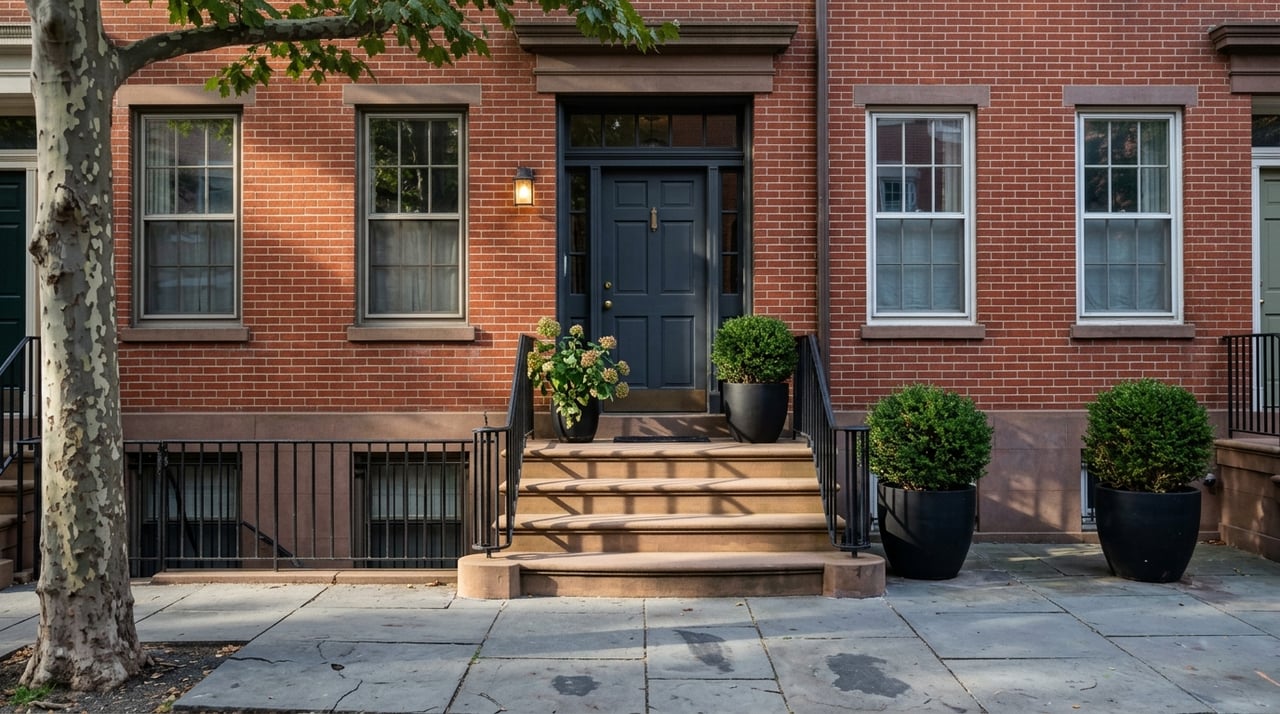
What many people notice first is the street rhythm. Instead of constant high-rise density, you get brick and brownstone row houses, quieter side streets, and a neighborhood layout that feels more measured. That lower profile is part of what gives Brooklyn Heights its distinct identity.
The neighborhood’s scale was shaped by preservation efforts. The Brooklyn Heights Association notes that local advocacy helped secure New York City’s first historic district designation and a 50-foot height limit, both of which still influence the calm, low-rise feel today.
What Daily Life Feels Like
Everyday living in Brooklyn Heights tends to feel practical during the week and more scenic on weekends. On a typical weekday, the neighborhood leans into commuting, errands, and local routines. On weekends, the pace often shifts toward waterfront walks, restaurant visits, and time outdoors.
That balance is one of the area’s biggest strengths. You can move through your workweek efficiently, then enjoy a more relaxed neighborhood atmosphere when you have free time. For many buyers coming from Manhattan, that trade-off feels appealing.
Brooklyn Heights is still primarily residential in character. Even with a growing dining scene, it does not read like a late-night entertainment district. If you value a neighborhood that stays active without feeling overwhelming, that can be a meaningful plus.
Low-Rise Streets and Slower Pace
One of the clearest lifestyle differences in Brooklyn Heights is scale. The neighborhood trades some of Manhattan’s intensity for stoops, shorter buildings, and blocks that feel easier to settle into.
That does not mean the area feels isolated. It means the visual and street-level experience is different. You are still in New York City, but the environment often feels quieter and more grounded.
For many people, this changes how daily routines feel. A coffee run, a walk home from the train, or a quick dinner nearby can feel a little less rushed in a neighborhood with this kind of built form.
Getting to Manhattan Is Straightforward
Convenience is a major part of the Brooklyn Heights lifestyle. Several subway options serve the area or sit just nearby, which helps keep Lower Manhattan and other parts of the city within easy reach.
Clark Street serves the 2 and 3 lines. Borough Hall serves the 2, 3, 4, and 5, Court Street serves the R, Jay St-MetroTech serves the A, C, and F, and nearby High Street serves the C.
That range of transit matters in real life. It gives you options if one line is delayed, and it can make commuting more flexible depending on where in Manhattan you work or spend time.
Ferry and Bridge Options Add Flexibility
Subways are not the only way to get around. The NYC Ferry South Brooklyn route serves Atlantic Ave and Brooklyn Bridge Park Pier 6, with connections to Wall Street and East 34th Street.
For some residents, that creates a useful alternative, especially when you want a different commute experience. It also supports a lifestyle where waterfront access is part of your regular routine, not just a weekend extra.
Walking and biking can also play a role. NYC DOT says the Brooklyn Bridge connects Lower Manhattan and Brooklyn Heights and includes a pedestrian promenade and protected bike path. If you like having more than one way to move through the city, that flexibility is a real benefit.
The Promenade Is a Daily Perk
The Brooklyn Heights Promenade is one of the neighborhood’s defining features. The Brooklyn Heights Association says it was created on top of the BQE’s triple cantilever, and NYC’s media office describes views of the Brooklyn Bridge, Manhattan skyline, New York Harbor, and South Street Seaport.
That kind of public space changes everyday living. It gives you an easy place to walk, pause, or reset without planning a big outing. In a city where open views can feel rare, the Promenade offers a strong sense of place.
For some people, this becomes part of the daily routine. A morning walk, an evening loop, or a quick stop to take in the skyline can add a lot to how a neighborhood feels over time.
Brooklyn Bridge Park Expands the Lifestyle
Brooklyn Bridge Park adds another major lifestyle anchor. The park describes itself as an 85-acre waterfront park with riverfront promenades, gardens, and city views, and it is open every day from 6 a.m. to 1 a.m. with free entry.
That gives residents access to a large outdoor resource just beyond the residential blocks. It supports casual routines like walks and meetups, while also giving the area a strong weekend draw.
Because the park is open daily and covers so much waterfront, it works well for both spontaneous use and planned time outside. If outdoor access matters to you, this is a meaningful part of the Brooklyn Heights experience.
Dining Has Become More Compelling
For years, Montague Street had a reputation for being relatively sleepy. More recently, that has started to change. Eater reports that openings such as L’Appartement 4F, Montague Diner, Felice, Chama Mama, Clover Hill, Inga’s, Poppy’s, Jules, Café Brume, and Ferrane have brought new momentum to the area.
That matters because it makes staying local more realistic. You may not need to leave the neighborhood every time you want a good dinner, pastry, or coffee stop. For buyers used to relying on Manhattan for more of their social and dining life, that is a useful shift.
At the same time, the neighborhood still reads as residential first. The appeal is not nonstop nightlife. It is the growing ability to enjoy strong local options while keeping a quieter overall atmosphere.
Where Daily Errands Happen
Montague Street is the main shopping street in Brooklyn Heights, with additional dining and retail on Henry Street and quieter side streets. This gives the neighborhood a practical center without making every block feel commercial.
That layout can make daily life feel efficient. You have a clear place for essentials and casual stops, while still getting residential blocks that feel more relaxed. For many people, that balance is easier to live with than either extreme.
A neighborhood does not need to be loud to be convenient. In Brooklyn Heights, much of the appeal comes from having enough close by while preserving a calmer day-to-day experience.
Weekdays Versus Weekends
Brooklyn Heights tends to have two distinct rhythms. During the week, it is easy to picture people moving between subway stations, home, and errands. The neighborhood’s strong transit access supports that practical, commuter-friendly flow.
On weekends, the mood often shifts outward. The Promenade, Brooklyn Bridge Park, and the restaurant corridor on Montague Street become bigger parts of how people spend their time.
This combination is a big reason the area appeals to so many city buyers. You get a neighborhood that functions well Monday through Friday, then opens up into a more leisurely version of itself when the weekend arrives.
Why Brooklyn Heights Appeals to Manhattan Buyers
If you are coming from Manhattan, Brooklyn Heights can offer a different kind of city living rather than a compromise. The core trade is usually density for scale, while keeping strong connectivity in return.
You still have subway access, ferry service, and walk or bike options into Manhattan. But your home environment may feel more low-rise, more residential, and more visually tied to brownstones and waterfront views.
For many buyers, that combination is the point. Brooklyn Heights offers a slower street rhythm and strong access at the same time, which is not always easy to find.
What to Keep in Mind When Comparing Neighborhoods
When you compare Brooklyn Heights with other parts of Brooklyn or Manhattan, it helps to focus on how you actually live. Commute time matters, but so do your habits after work, your weekend routine, and how much value you place on public space.
You may prefer a neighborhood with constant activity and more nightlife. Or you may prefer somewhere that feels settled, scenic, and easy to navigate day to day. Brooklyn Heights is often strongest for people in the second group.
If your priorities include low-rise character, waterfront access, and solid Manhattan connectivity, this neighborhood deserves a close look. The appeal is not just what is here, but how smoothly the pieces fit together in daily life.
If you are exploring Brooklyn Heights alongside Downtown Manhattan options, working with a team that understands how neighborhood lifestyle and practical trade-offs affect value can make the search much clearer. When you are ready to talk through your goals, connect with Varun Sharma.
FAQs
What is everyday life like in Brooklyn Heights?
- Everyday life in Brooklyn Heights is generally commuter- and errand-focused during the week, with weekends centered more on the Promenade, Brooklyn Bridge Park, and local dining.
How do Brooklyn Heights residents get to Manhattan?
- Residents can use several subway lines nearby, the NYC Ferry South Brooklyn route from Atlantic Ave and Pier 6, and walking or biking via the Brooklyn Bridge.
Is Brooklyn Heights more residential or commercial?
- Brooklyn Heights is primarily residential, with low-rise brick and brownstone streets, plus everyday shopping and dining centered mainly on Montague Street and nearby blocks.
What makes the Brooklyn Heights Promenade special?
- The Promenade is a defining neighborhood feature known for views of the Brooklyn Bridge, Manhattan skyline, New York Harbor, and South Street Seaport.
Does Brooklyn Heights have enough dining for staying local?
- Yes, the dining scene has expanded in recent years, especially along Montague Street, making it easier to enjoy meals, coffee, and casual outings without leaving the neighborhood.