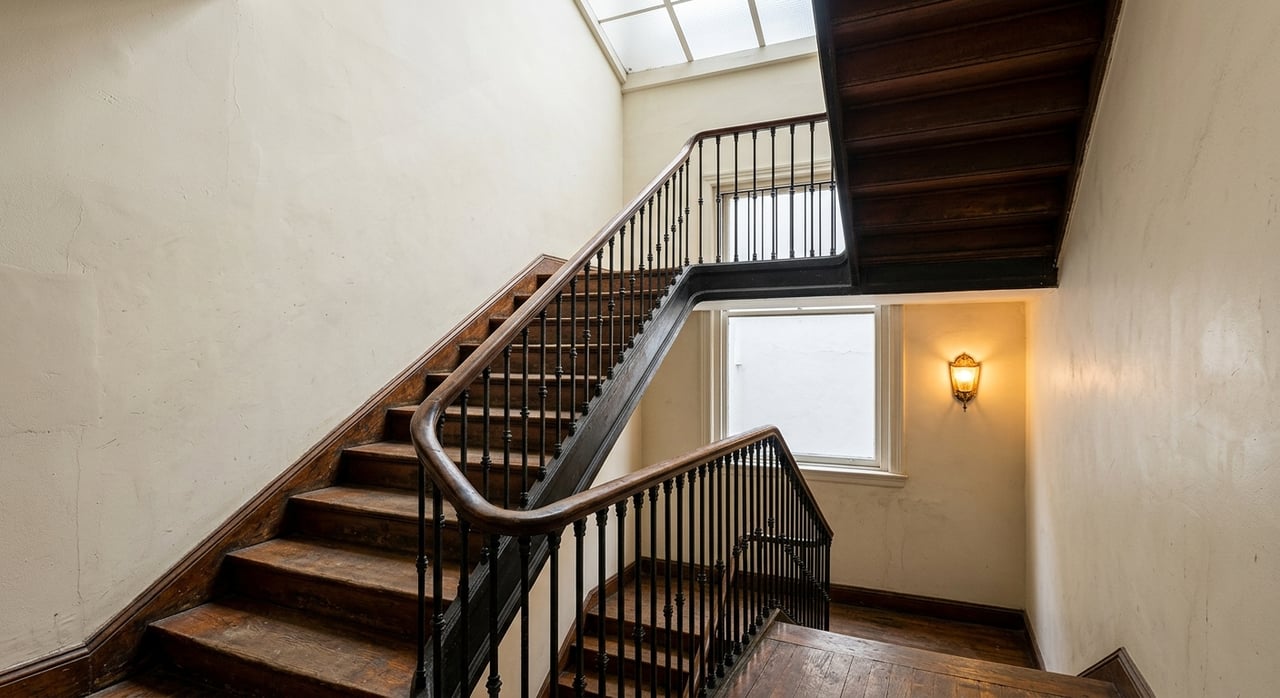
Wondering whether an East Village walk-up is a smart value or a daily hassle? You are not alone. In a neighborhood where older walk-up buildings still make up a big share of the housing stock, the choice between stairs and elevator access can shape your budget, your routine, and even your long-term ownership costs. If you are weighing both options, here is what matters most in the East Village and how to decide which trade-off fits your life.
Why this choice matters in East Village
The East Village is still defined by older prewar housing stock. StreetEasy notes that many apartments in the neighborhood are walk-ups, often smaller and sometimes in need of updates, while new condos are relatively limited. NYC Planning also describes the area as a mix of walk-up and elevator multifamily buildings, typically four- to six-story buildings on small lots.
That mix means your decision is not just about building style. It is about how you want to live day to day, what kind of monthly costs you can carry, and how much building upkeep risk you are willing to take on. In East Village, those trade-offs are especially visible because both building types exist, but walk-ups still set much of the neighborhood tone.
A broader city planning resilience study for the East Village, Lower East Side, and Two Bridges area helps show the balance. Using 2014 PLUTO data, planners counted more than 250 walk-up buildings with nearly 4,000 dwelling units, compared with 65 elevator-served mid-rise buildings with about 2,900 units. That is not a perfect East Village-only split, but it reinforces a simple point: walk-ups are a major part of the local housing landscape.
What a walk-up usually offers
A walk-up often appeals to buyers or renters who want East Village location and character first. Because the neighborhood has so much older stock, walk-ups can be a practical way to get into a prime downtown area without paying the same premium you may see in elevator product.
Many of these buildings are older four- to six-story structures. NYC Planning says the neighborhood's residential buildings are typically in that range, and the resilience report notes that many mid-rise walk-ups were built in the 19th and early 20th centuries. These are often historically tenement-style buildings with wood frames, brick facades, and compact floor plates.
That can create a certain charm, but it often comes with tighter layouts and older finishes. StreetEasy specifically describes many East Village apartments as small and often in need of updates. If you are comfortable trading polish for location, a walk-up may give you more neighborhood access for your dollar.
Pros of a walk-up
- Often a lower entry point than a comparable elevator building
- Strong neighborhood character tied to older East Village housing stock
- Common option in a walk-up-heavy market, so there is usually more inventory to consider
- Good fit if you value location more than building services
Cons of a walk-up
- Daily stair use can wear on you over time
- Move-ins, grocery runs, and package handling may feel harder
- Older buildings may need more updates or capital work
- Layouts are often smaller and less flexible
What an elevator building usually offers
An elevator building tends to work best if convenience is high on your list. If you think about stroller use, easier move-ins, package handling, or aging in place, elevator access can make a noticeable difference in how the apartment functions every day.
In the East Village, elevator buildings also often come with more services. Local examples on StreetEasy show how this can look in practice. The A Building includes elevator access along with concierge service, a full-time doorman, laundry in the building, a live-in super, a gym, a swimming pool, and a roof deck. Ageloff Towers, a prewar East Village co-op, includes a package room, laundry room, live-in super, and a full-time elevator attendant.
Those features can make city living easier. They can also change the feel of ownership or renting by reducing a lot of the small frictions that come with older walk-up stock. But those conveniences usually come with higher recurring costs, which is why you have to look beyond the asking price.
Pros of an elevator building
- Easier daily access, especially on higher floors
- Better fit for move-ins, deliveries, and regular package volume
- Often includes building staff or shared amenities
- Can support longer-term flexibility if your needs change
Cons of an elevator building
- Monthly carrying costs can be much higher
- Amenities and building systems add expense and complexity
- Inventory is more limited than walk-up stock in much of the neighborhood
- Smaller units can still have large monthly bills
Compare total monthly cost
One of the biggest mistakes buyers make is comparing only purchase price. In the East Village, your real monthly cost can look very different depending on whether you are buying a co-op or condo and whether the building has more services.
StreetEasy currently shows an East Village median sale price around $920,000 and a median base rent around $4,650. Those are neighborhood-wide figures, not a clean walk-up versus elevator split, but they offer useful context. This is an expensive neighborhood before you even factor in building-specific premiums.
For owners, the cost structure matters just as much as the headline number. The New York State Attorney General explains that co-op owners pay maintenance charges based on shares allocated to the apartment. NYC Finance says co-op owners do not receive the property tax bill directly because the board receives it and allocates property taxes through common charges.
Condos work differently. Offering-plan rules require projected monthly carrying charges and projected real estate taxes to be shown separately, and each condo unit is taxed as a separate tax lot. That means the monthly figure you see for a condo may be split across common charges and taxes, while a co-op monthly charge may already bundle taxes into maintenance.
For tax year 2026, NYC's Class 2 property tax rate is 12.439%. The city's co-op and condo tax abatement can reduce property taxes for eligible primary-residence buildings through the board or managing agent. The key takeaway is simple: always compare the full monthly carry.
A current East Village example shows why. A recent listing at The A Building showed common charges of $1,010 per month and taxes of $678 per month for a 453-square-foot studio. That is not a neighborhood average, but it shows how quickly the total monthly cost can rise in elevator condo product.
Think beyond stairs
It is easy to frame this as a simple lifestyle question: stairs or no stairs. In reality, the better question is how much friction you can live with every day.
In a walk-up-heavy neighborhood like the East Village, many buildings are four to six stories. That means the stair burden is not theoretical. You should think honestly about groceries, laundry, guests, deliveries, pets, and what move-in day will actually feel like.
You should also think ahead. If your work schedule is intense, if you order packages often, or if you simply know that convenience matters a lot to your happiness at home, an elevator building may be worth the premium. If you are focused on getting into the neighborhood and do not mind climbing stairs, a walk-up may feel like a very fair trade.
Building condition matters more than vibe
The East Village has plenty of older buildings with real personality. But character alone should not drive the decision. The New York State Attorney General advises buyers of existing apartment buildings to review board minutes and financial reports because they can reveal defects and repair costs.
The same guidance flags the expensive building-wide issues that matter most: facades, roofs, elevators, plumbing, electrical systems, and boilers. That list is important whether you are looking at a walk-up or elevator building. The details differ, but both types can carry major capital needs.
In a walk-up, older plumbing, roofs, facades, and electrical systems may be the bigger concern. In an elevator building, you may be dealing with those same issues plus the added cost and maintenance risk that comes with elevator systems and broader amenity infrastructure. That is why smart East Village buyers do not stop at finishes. They dig into the building.
How to decide which fits you
If you are choosing between a walk-up and an elevator building in the East Village, focus on these questions first:
- How many flights of stairs can you realistically handle every day?
- Is the lower purchase price enough to justify the trade-off?
- What is the full monthly carry, including maintenance, common charges, and taxes where applicable?
- Does the building's financial and repair history suggest future costs?
- Do services like package handling, staff, or amenities meaningfully improve your day-to-day life?
A walk-up is often the practical fit if you care most about location, neighborhood feel, and a lower entry point. An elevator building is often the better fit if convenience, accessibility, and service matter more to you than keeping monthly costs as low as possible.
The best choice is rarely abstract. It comes down to your routine, your budget, and the specific building. In the East Village, two apartments a few blocks apart can look similar on paper but live very differently once you account for stairs, services, and monthly carrying costs.
If you want help comparing East Village buildings with a clear eye on monthly costs, board or building dynamics, and the details that do not show up in the listing photos, reach out to Varun Sharma.
FAQs
What is the main difference between an East Village walk-up and an elevator building?
- The biggest difference is daily convenience versus cost. Walk-ups are more common in the East Village and often offer a lower entry point, while elevator buildings typically offer easier access and more services but can come with higher monthly carrying costs.
How tall are most East Village walk-up buildings?
- NYC Planning describes East Village residential buildings as typically four- to six-story structures on small lots, which is why stairs are such an important lifestyle factor in this neighborhood.
Are East Village elevator buildings always luxury properties?
- No. Some elevator buildings are service-rich and amenity-heavy, while others are older prewar buildings with more limited services. The common thread is easier access, but the level of staffing and amenities can vary.
How should you compare monthly costs in an East Village co-op versus condo?
- Compare the full monthly carry, not just one line item. In co-ops, maintenance generally includes property taxes through the building, while in condos, common charges and real estate taxes are typically shown separately.
What building issues should East Village buyers review before making an offer?
- The New York State Attorney General recommends reviewing board minutes and financial reports for signs of defects and repair costs, especially around facades, roofs, elevators, plumbing, electrical systems, and boilers.
Is a walk-up in East Village worth it for a first-time buyer?
- It can be, especially if your priority is getting into the neighborhood at a more manageable price point and you are comfortable with stairs, older layouts, and the maintenance realities of prewar stock.