Trying to choose between a co-op and a condo in Greenwich Village? You are not alone. In one of Downtown Manhattan’s most distinctive housing markets, the right ownership structure can shape everything from your budget and board process to your future flexibility. If you want to buy smart in the Village, it helps to understand not just the textbook differences, but how those differences play out on these specific blocks. Let’s dive in.
Why Greenwich Village Feels Different
Greenwich Village is not a typical Manhattan neighborhood. The area sits within one of the city’s most preservation-focused housing markets, with the Greenwich Village Historic District spanning more than 65 blocks and more than 2,000 buildings, according to the New York City Landmarks Preservation Commission.
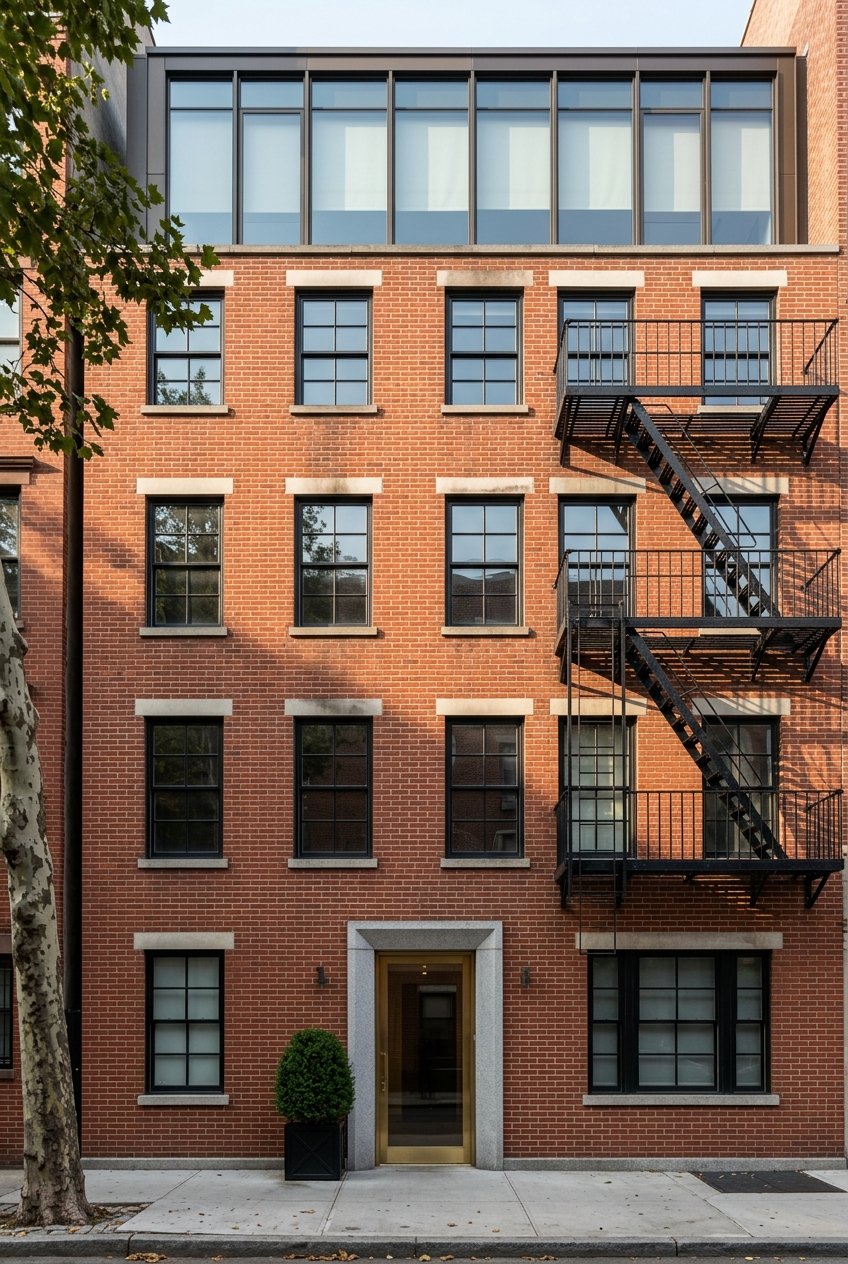
That historic fabric affects what you see when you start touring homes. StreetEasy describes Greenwich Village housing as older overall, with many walk-ups and no high-rises. You will find a lot of low-rise masonry buildings, older layouts, and a housing stock shaped by architecture from the 1800s through the early 20th century.
This matters because your co-op versus condo choice in Greenwich Village is not just about ownership on paper. It is also about the kind of building you are likely to buy into, the approval process you may face, and the level of flexibility you want over time.
Co-op vs Condo Basics
What a co-op means in New York
In New York, buying a co-op means you are purchasing shares in a corporation that owns the building. You also receive a long-term proprietary lease that gives you the right to occupy a specific apartment. Your maintenance charges are tied to the number of shares allocated to your unit.
That structure often comes with a more hands-on governance model. Co-op boards are elected by shareholders and operate under the building’s by-laws, proprietary lease, certificate of incorporation, and house rules.
What a condo means in New York
A condo works differently. You own the apartment itself as real property, along with an undivided interest in the building’s common elements.
Condo boards of managers operate under the declaration, by-laws, and house rules. In general, condos tend to offer owners more flexibility, especially around subletting, and the New York Attorney General notes that condo sublet provisions are generally not restrictive.
Greenwich Village Housing Stock by Type
Why co-ops are so common here
Greenwich Village has a strong co-op presence. StreetEasy’s current building database shows 197 co-op or condop buildings in the neighborhood, compared with 99 condo or condop buildings. That is a snapshot of active inventory, not a full census, but it gives you a useful picture of the market.
Many Village co-ops are the classic elevator buildings buyers picture when they think about downtown Manhattan. Current examples include prewar and postwar buildings from the 1920s through the 1960s, often with features like doormen, live-in supers, bike storage, laundry rooms, and in some cases garages or landscaped common areas.
What condos often look like here
Village condos are more varied. You will find prewar conversions, loft-style buildings, boutique condominiums, and some newer developments mixed into the neighborhood.
That means the condo experience can vary widely from one building to the next. Some buildings offer full-service features like a doorman, storage, roof decks, and newer systems, while others feel much closer to the neighborhood’s older architectural baseline.
The Biggest Lifestyle Difference: Flexibility
Co-ops usually ask for more commitment
If you are considering a co-op, expect more scrutiny. StreetEasy’s co-op guide says many co-ops require 20 to 30 percent down, low debt relative to income, strong post-closing cash reserves, a detailed application, and an interview as part of board approval.
Co-ops also commonly place tighter limits on subletting, pied-à-terre use, and renovations. In practice, that can be a good fit if you want a primary home and are comfortable following a building’s long-standing rules.
Condos usually offer more freedom
If flexibility is your top priority, condos usually have the edge. Compared with co-ops, condos tend to make it easier to rent out your unit, change the apartment, or appeal to a broader set of future buyers.
That does not make condos automatically better. It simply means they often fit buyers who want more optionality, whether that is for future relocation, investment planning, or a less restrictive ownership experience.
The Biggest Financial Difference: Entry Cost
Co-ops may offer a lower price point
StreetEasy notes that co-ops are often 15 to 20 percent cheaper than comparable condos. For many Greenwich Village buyers, that can be the deciding factor, especially in a neighborhood where StreetEasy places the median sale price around $1.4 million.
Lower entry pricing can make a classic Village address more accessible. Co-ops also often come with lower closing costs than condos, which can help if you want to preserve liquidity after closing.
Condos may cost more for the added flexibility
In Greenwich Village, paying more for a condo often means paying for ownership flexibility as much as for the apartment itself. A condo may also appeal to a wider future buyer pool because it can work for primary residents, some investors, or buyers who need rental flexibility.
That does not guarantee stronger resale performance for any specific apartment. It simply means condos often command a premium because of the ownership structure and how buyers value it.
Building Age Matters in the Village
Because Greenwich Village housing is older overall, due diligence matters whether you buy a co-op or a condo. The New York Attorney General recommends reading the full offering plan, reviewing board minutes and financial reports, and checking for disclosed defects or planned repairs.
That advice is especially important here. In a neighborhood filled with older buildings, those documents can tell you a lot about upcoming costs, building condition, and how well the property is managed.
Questions worth asking before you buy
- What major repairs are planned or under discussion?
- How strong are the building’s financials?
- Are there recent assessments or likely future ones?
- What are the renovation rules?
- What are the sublet rules?
- How long does the board approval process usually take?
For Greenwich Village buyers, these questions are not optional. They are part of understanding the full cost and fit of a home before you commit.
How Historic Preservation Shapes the Choice
Greenwich Village’s preservation rules are part of what makes the neighborhood so appealing. The Landmarks Preservation Commission notes that most exterior changes in historic districts require review, which helps preserve the area’s architectural character and limits wholesale change.
For buyers, that can support the enduring appeal of the neighborhood’s streetscape and built environment. It does not guarantee appreciation, but it does help explain why Greenwich Village continues to attract buyers who value architectural consistency, charm, and scarcity.
In practical terms, that preserved setting tends to reward buyers who care about long-term neighborhood character. Whether you choose a co-op or condo, you are buying into a low-rise, historically layered part of Manhattan that looks and feels different from many newer neighborhoods.
When a Co-op Makes More Sense
A Greenwich Village co-op may be the better fit if you:
- Want classic Village architecture and established building culture
- Prefer a lower entry price than a comparable condo
- Plan to use the apartment as your primary home
- Are comfortable with board review and stricter house rules
- Do not need broad rental flexibility
For many downtown buyers, this is where building-level advice really matters. Two co-ops on nearby blocks can feel very different once you factor in finances, board standards, and long-term policies.
When a Condo Makes More Sense
A Greenwich Village condo may be the better fit if you:
- Want easier rental flexibility
- Prefer direct real property ownership
- May relocate in the future and want more options
- Value newer amenities or newer construction when available
- Want a purchase that may appeal to a broader range of future buyers
In the Village, condo inventory is more limited than co-op inventory. That can make the search feel more competitive, but it also means there are distinct opportunities for buyers who know exactly what they want.
One Tax Detail to Remember
If you are buying a primary residence, keep the city’s co-op and condo property tax abatement in mind. Eligible units may receive it, and the application is handled on behalf of the building by the board or an authorized agent through New York City.
This is not something to assume automatically. It is worth confirming whether a specific building participates and how that benefit is reflected in your ownership costs.
The Bottom Line for Greenwich Village Buyers
In Greenwich Village, the co-op versus condo decision is really a question of fit. A co-op may give you a lower purchase price and access to the classic building stock that defines the neighborhood, but it often comes with a more demanding approval process and less flexibility. A condo may cost more, but it can give you easier ownership, rental, and future planning options.
The right answer depends on how you plan to live, not just what you want to buy. If you are weighing specific buildings, comparing monthly costs, or trying to understand how a board may view your application, working with a team that knows downtown co-ops and Village building patterns can make the process much clearer.
If you are exploring co-ops or condos in Greenwich Village, Varun Sharma can help you compare your options with practical, building-specific guidance.
FAQs
What is the main difference between a co-op and condo in Greenwich Village?
- In Greenwich Village, a co-op means you buy shares in a corporation and a proprietary lease for the apartment, while a condo means you own the unit itself as real property plus an interest in the common areas.
Are co-ops cheaper than condos in Greenwich Village?
- Often, yes. StreetEasy says co-ops are often 15 to 20 percent cheaper than comparable condos, though the exact gap depends on the building, apartment, and rules.
Are condos easier to rent out in Greenwich Village?
- In general, yes. Condos usually offer more rental flexibility, and the New York Attorney General notes that condo sublet provisions are generally not restrictive.
Why are there so many co-ops in Greenwich Village?
- Greenwich Village has an older housing stock with many classic elevator buildings and historic properties. Current StreetEasy inventory also shows more co-op or condop buildings than condo or condop buildings in the neighborhood.
What should buyers review before purchasing a Greenwich Village co-op or condo?
- Buyers should review the offering plan, board minutes, financial reports, and any disclosed defects or planned repairs, especially because many Village buildings are older and future building costs can affect ownership.
Do historic district rules affect Greenwich Village apartments?
- Yes. In the Greenwich Village Historic District, many exterior changes require review by the Landmarks Preservation Commission, which helps preserve the neighborhood’s architectural character.
Can a Greenwich Village co-op have a harder approval process than a condo?
- Yes. Co-ops often have more rigorous board approval requirements, including down payment standards, financial documentation, post-closing liquidity expectations, and an interview process.