Picture this: you step onto a tree-lined walk high above the East River, coffee in hand, and the Manhattan skyline opens in front of you. The Brooklyn Heights Promenade is not a once-in-a-while view. It is a daily ritual that shapes how you start and end your day. If you are weighing a move across the river, this guide shows you what waterfront living on the Promenade really looks like, how the local market works, and what to expect from commutes and co-op boards. Let’s dive in.
Life on the Promenade
The Promenade is an elevated, pedestrian-only walkway with sweeping views of Lower Manhattan, the Brooklyn Bridge, and New York Harbor. It runs roughly one third of a mile and sits just above the Brooklyn–Queens Expressway. It opened in the early 1950s and has become a neighborhood landmark for joggers, photographers, and bench sitters alike. You can learn more about its history and layout from the official profile of the Brooklyn Heights Promenade.
Morning rituals
Mornings are calm here. You see dog walkers and runners on the Promenade, and parents heading to school drop-offs. On nearby blocks, coffee shops and bakeries open early and set the pace for the day. Montague Street, the neighborhood’s main commercial spine, provides everyday essentials and a relaxed café scene. The Brooklyn Heights Association’s neighborhood overview offers helpful context on these daily rhythms.
Sunset and weekends
Evenings bring a different energy. Couples and friends gather for skyline photos and sunset views, and the waterfront lights come alive. Below the Promenade, Brooklyn Bridge Park’s waterfront piers deliver playgrounds, lawns, kayak launches, and summer movie nights with a view. NYC Ferry routes stop nearby, adding a scenic link to Lower Manhattan and beyond, as outlined in the NYC Ferry travel guide.
Housing types near the waterfront
Brooklyn Heights mixes restored 19th-century brownstones and rowhouses, prewar co-op buildings, and a smaller set of luxury condos and conversions. Proximity to the Promenade and skyline-facing windows drives a meaningful premium. The neighborhood’s low-rise scale and historic district rules set a different tone than a Manhattan high-rise corridor, which many buyers find appealing.
Brownstones and townhouses
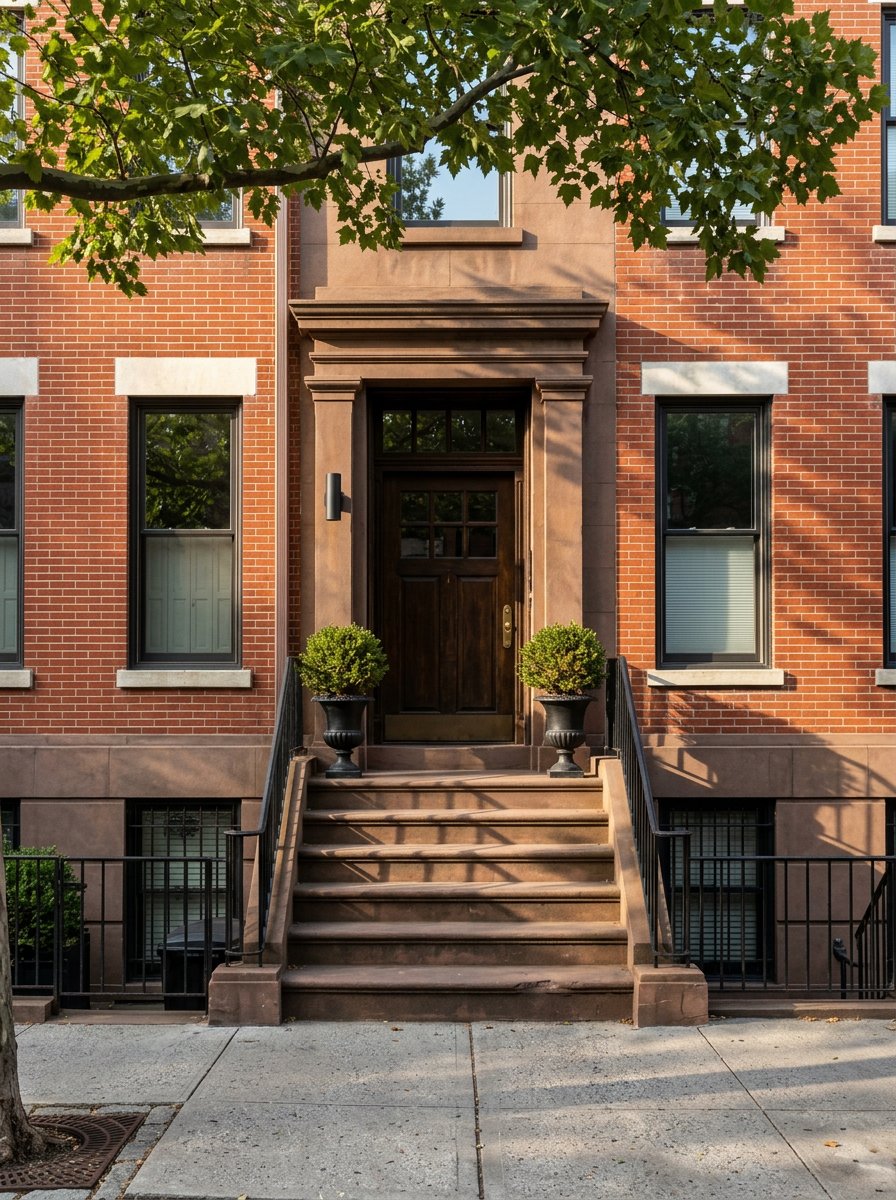
You will walk past Greek Revival, Italianate, and Neo-Grec facades on short, tree-lined blocks. Some homes are single-family; others are split into multi-family layouts. These properties offer stoops and small front gardens that create a private, neighborhood feel. Most of the area falls within the Brooklyn Heights Historic District, which protects the streetscape and guides exterior changes.
Co-ops and classic prewar apartments
Prewar co-op buildings make up a large share of the local inventory. Co-ops often come with board packages, financial review, and sublet policies that feel different from condo ownership. If you are early in your search, line up lender preapproval and a broker who understands NYC co-op underwriting. That preparation makes your offer more credible and your approval process smoother.
Condos with skyline views
Condos are fewer in number but often command the highest prices per square foot, especially if they offer harbor or skyline views. If your goal is flexibility on subletting or you want modern finishes with elevator and amenity access, condos near the waterfront deliver that mix, just expect to pay a premium.
What prices signal today
Property type matters more than any single street address in Brooklyn Heights. As of January 2026, PropertyShark’s market snapshot reported a neighborhood-wide median sold price around $1.38M. The same snapshot showed median condo sales near $3.0M, median co-op sales near $1.0M, and townhouse sales in the multi-million range with a median around $5.0M.
Here is how to translate those signals when you are browsing:
- One-bed co-op or prewar apartment: often in the high six-figure to low $1M range, with a January 2026 median co-op sold price near $1.0M per PropertyShark.
- Two-bed condo or renovated view unit: commonly $1M to $3M, with January 2026 median condo sold prices near $3.0M.
- Brownstone or townhouse: several million and above, with a January 2026 median house figure near $5.0M.
The key takeaway: views and property type drive pricing. Promenade-facing homes and intact brownstones can match or exceed prices in expensive Manhattan neighborhoods. If you are moving from Manhattan, think in terms of trade-offs rather than automatic savings.
Access and commutes
You have many ways to get into Manhattan from here. The 2/3 at Clark Street and A/C at High Street are within short walks for most blocks, with additional R, F, 4, and 5 services close by depending on where you live. For service maps and advisories, check the MTA portal. NYC Ferry runs on the East River and South Brooklyn routes, which is both scenic and practical for downtown trips, detailed in the NYC Ferry guide.
Two quick commute examples
- Subway to Lower Manhattan: From Clark Street on the 2/3, you are only a few stops to Wall Street and Fulton Street. Many residents find this to be a consistent, sub-20-minute door-to-door routine, depending on the block.
- Ferry to Pier 11: From the waterfront landings below, the ride to Pier 11 is about 5 to 10 minutes, with skyline views the entire way. Schedules and run times vary by time of day and season.
You can also walk across the Brooklyn Bridge for a direct link into the Financial District. It is a scenic crossing that many locals use for leisure and occasional commutes.
Practical considerations for buyers
Brooklyn Heights rewards planning. A little preparation on the front end can save you time and stress once you are in contract.
Historic district and renovations
Much of the neighborhood sits inside the Brooklyn Heights Historic District. Exterior work like stoop repairs, facade changes, or window replacements often needs review and approval. The city’s official historic district map is a helpful starting point. The charm is real, and so is the process, so build time into your renovation plan.
Noise, light, and view trade-offs
Promenade-facing homes bring skyline moments and harbor sunsets. They also sit above the BQE. The Promenade’s structure and park plantings help soften the traffic below, but conditions vary by building and floor. Visit any target home at different times of day, open the windows, and check light and sound in each room before you commit. For context on the Promenade’s setting and purpose, see the Promenade overview.
Long-term work on the central segment of the BQE has been discussed in public planning forums. Construction staging and traffic adjustments can affect noise and patterns over multi-year periods. You can review planning materials through the BQE Vision documents and ask your attorney to research any open items near a specific property.
Co-op boards and financing
If you are targeting a prewar co-op, expect to prepare a full board package with financials and references. Many buildings have policies around down payments and subletting. Get preapproved early and work with an agent who can forecast board expectations and help you present a clean, complete file. That can be the difference between a smooth approval and a surprise delay.
Daily conveniences and culture
Day to day, you will rely on Montague Street for bakeries, grocers, cafés, and neighborhood shops. It anchors local errands and a quick lunch scene. Families appreciate the neighborhood’s school options, including PS 8 as the public anchor and respected private schools like Packer Collegiate Institute and Saint Ann’s School. Cultural anchors close by, such as the New York Transit Museum and the Center for Brooklyn History, add depth to weekends without leaving the neighborhood.
Is Brooklyn Heights right for you?
If you want skyline views with calmer, low-rise streets and stoop-side living, the Promenade side of Brooklyn Heights offers a compelling trade. You give up some of Manhattan’s constant buzz and gain a daily waterfront ritual, pocket parks, and shorter, tree-lined blocks. On pricing, plan for a premium on Promenade views and brownstones. On process, plan for co-op boards and historic-district reviews if your target building or block is regulated.
If you are ready to explore what that move could look like, let’s talk about your timeline, financing, and the specific streets that fit your lifestyle.
Looking for clear, board-savvy guidance from a Manhattan-based team that helps many clients make this cross-river decision? Reach out to The Johnny Lal Team to map your move, compare options, and tour homes with confidence.
FAQs
What is the Brooklyn Heights Promenade and how long is it?
- The Promenade is a pedestrian-only walkway above the East River with panoramic skyline views, stretching roughly one third of a mile. See the official overview for history and details.
How do Brooklyn Heights prices compare to Manhattan?
- They are often comparable at the high end. As of January 2026, PropertyShark shows median condo sold prices near $3.0M and brownstones in the multi-million range, so do not assume automatic savings.
What housing types are common near the Promenade?
- You will find 19th-century brownstones and townhouses, many prewar co-ops, and a smaller share of luxury condos and conversions, with Promenade-facing views commanding a premium.
How do commutes from Brooklyn Heights work?
- Multiple subway lines are within short walks, including 2/3 and A/C, and NYC Ferry stops provide a scenic option to Lower Manhattan. Review options on the MTA site and the NYC Ferry guide.
What should I know about the historic district before renovating?
- Many blocks are landmarked, so exterior work often needs approval. Start with the city’s Brooklyn Heights Historic District map and plan extra time for reviews.
Should I be concerned about BQE reconstruction near the Promenade?
- Planning for the BQE’s central segment has been ongoing and could affect noise and traffic during certain phases. Check BQE planning documents and have your attorney review site-specific disclosures.
Are there schools nearby that families consider?
- Yes. PS 8 is the local public anchor, and private options include Packer Collegiate Institute and Saint Ann’s School. Always verify enrollment and admissions directly with each school.
What is different about buying a co-op here versus a condo?
- Co-ops often require larger down payments, board approvals, and stricter sublet rules, while condos are more flexible but typically pricier. Prepare early with lender preapproval and an agent experienced in co-op boards.