If you are thinking about living in the East Village, a weekend here can tell you more than a dozen listing photos ever will. This is a neighborhood where your daily routine is shaped block by block, from coffee runs and park loops to bookstore stops and late dinners close to home. If you want to know what life here really feels like, this guide walks you through a resident-style weekend and what it reveals about housing, pace, and daily convenience. Let’s dive in.
Why the East Village Feels Distinct
The East Village has a lived-in feel that stands out in Lower Manhattan. Recent neighborhood coverage describes it as a low-rise, mostly prewar area with strong street life, independent retail, and a nightlife-forward identity. That mix gives the neighborhood energy without making it feel like just one main strip.
The neighborhood is generally understood as running from about 14th Street down to Houston Street, with the Bowery and Third Avenue to the west and the East River to the east. Within that footprint, you are really choosing between several micro-areas rather than one uniform experience. That matters because your block can shape everything from noise levels to park access and transit convenience.
NYC SBS describes the East Village as demographically and socioeconomically diverse, with independent stores along St. Mark’s Place and the main avenues. It also notes the area’s “small town within the big city” feel. For future residents, that local rhythm is a big part of the appeal.
Start Saturday Like a Local
Coffee, bagels, and Tompkins Square Park
A realistic Saturday morning in the East Village can start simply. You grab coffee at Abraco on East 7th Street, pick up breakfast at Tompkins Square Bagels on Avenue A, and head toward Tompkins Square Park before the day gets crowded. That kind of routine is easy here because so much of daily life happens within a short walk.
Tompkins Square Park is one of the neighborhood’s anchors. NYC Parks identifies it as a 10.5-acre neighborhood park in Community Board 3, and it works as both a gathering place and a reset button. Whether you want a quiet walk, a dog run, or just a bench and some people-watching, it gives the East Village a real center of gravity.
For many buyers and renters, this is the lifestyle test that matters most. If your ideal morning includes a walkable breakfast run and a park close by, the East Village makes that routine easy to picture.
Spend Saturday Exploring the Streets
Bookstores and the St. Mark’s stroll
By afternoon, the neighborhood starts to show another side of itself. One of the best ways to read the East Village is to walk St. Mark’s Place from Tompkins Square Park toward Astor Place. Along the way, you get a feel for the area’s small shops, bookstores, bars, and constant foot traffic.
Time Out highlights this stretch as a great way to experience the neighborhood’s personality. It also points to spots like Book Club Bar, the Strand, and East Village Books for a rainy-day browse. East Village Books is located at 99 St. Mark’s Place, between First Avenue and Avenue A, and it fits the kind of independent retail that helps define the area.
For future residents, this matters because bookstore culture says something bigger about the neighborhood. The East Village is not just convenient. It is layered, browseable, and best experienced on foot.
See What Dinner Looks Like Here
A compact neighborhood with wide dining choice
The East Village dining scene is unusually broad for such a compact part of Manhattan. Eater’s 2025 guide describes it as one of the city’s most dynamic dining districts, with a wide range of cuisines packed into a relatively small area. That density makes it easy to build a weekend around the neighborhood without needing to leave it.
Current examples show the range clearly. Café Mogador on St. Mark’s Place, Veselka at 144 Second Avenue, and Nowon’s East Village location reflect a mix of established favorites and newer concepts. Veselka also remains a true late-night option on weekends, which reinforces how the East Village supports a full evening close to home.
If you are choosing between downtown neighborhoods, this is a meaningful difference. In the East Village, dinner plans do not need much planning. You can keep things casual, spontaneous, and within a few blocks.
Stay Out Without Leaving the Neighborhood
Nightlife is part of daily life here
The East Village still functions as a real nightlife district. Activity clusters around St. Mark’s Place, the Bowery, and the nearby Lower East Side music corridor, creating an evening rhythm that many residents actively want. If you enjoy being able to go from dinner to a show to home on foot, this area delivers.
Time Out’s nightlife coverage highlights Webster Hall as a major live-music venue, and Webster Hall’s current site confirms its address at 125 E. 11th Street with an active 2026 show calendar. That kind of built-in entertainment is part of the neighborhood’s appeal. It also explains why some blocks feel busier and louder than others.
This is where being specific about location matters. If you want to be close to the action, the central East Village may fit you well. If you want easier access to the neighborhood’s energy while keeping a bit more distance, the eastern blocks may feel like a better balance.
Slow Down on Sunday
Brunch, books, and the waterfront
Sunday in the East Village tends to feel calmer than Saturday night. A common resident pattern is brunch, a bookstore stop, and then a walk toward the East River. It is an easy way to see how the neighborhood shifts from nightlife-heavy to more relaxed within a day.
John V. Lindsay East River Park gives the neighborhood a valuable outdoor edge. NYC Parks says the park includes running tracks, greenway access, athletic fields, and other active-use spaces. That said, the section south of Stanton Street is temporarily closed for East Side Coastal Resiliency work, while access remains open north of Stanton Street via East Houston Street, the 6th Street Bridge, or the 10th Street Bridge.
Time Out also points to Stuyvesant Cove, east of the FDR north of 14th Street, as a waterfront green space and ferry access point. For residents, this means the East Village offers more than just nightlife and dining. You also have meaningful outdoor options, though your exact access depends on where you live.
What Different East Village Areas Feel Like
Tompkins Square and St. Mark’s core
If you want the classic East Village routine, the area around Tompkins Square Park and St. Mark’s Place is the clearest match. This is where coffee stops, bookstore browsing, dinner spots, bars, and the park all overlap most tightly. It is one of the most walkable parts of the neighborhood for someone who wants everything close together.
StreetEasy describes the area as busy, loud, and full of prewar buildings with classic neighborhood character. For the right buyer or renter, that density is the point. You are choosing access and atmosphere over quiet predictability.
Alphabet City and Avenue A
The eastern side of the neighborhood, including Alphabet City and the Avenue A corridor, tends to feel more residential and park-oriented. You are still connected to Tompkins Square Park and the main food-and-drink areas, but the daily pace can feel a bit more relaxed depending on the block.
NYC SBS notes that accessibility has improved with a new subway entrance on Avenue A and the M14 Select Bus Service. For many future residents, this part of the East Village offers a useful middle ground. You stay close to what makes the neighborhood fun while gaining a little breathing room.
The east edge by the river
Blocks closer to the East River offer the most direct connection to waterfront space. That can be a major plus if you value outdoor time, running routes, or a little more separation from the neighborhood’s busiest interior blocks.
At the same time, NYC Parks notes that East River Park is currently affected by resiliency work, with the southern section closed. In practical terms, that means this micro-location has a more construction-aware daily rhythm right now. If waterfront access is high on your list, it is worth understanding how current park access works block by block.
Astor Place and the western edge
The western edge of the East Village is often the best fit for people who care most about transit and commute convenience. This side puts you closer to stations including Astor Place on the 6, Second Avenue on the F, 1 Av on the L, Broadway-Lafayette on the B, D, F, and M, and 8 St-NYU on the R and W.
This location can make daily routines feel more flexible, especially if you move around Manhattan often. It also keeps you tied into the East Village lifestyle while placing you near some of downtown’s broader transit connections.
What Future Residents Are Really Choosing
The East Village is a strong fit if you want a neighborhood that supports daily life on foot. You can build a routine around breakfast, bookstores, parks, dinner, and nightlife without needing a car or even a long subway ride. That level of convenience is a big part of why the area stays in demand.
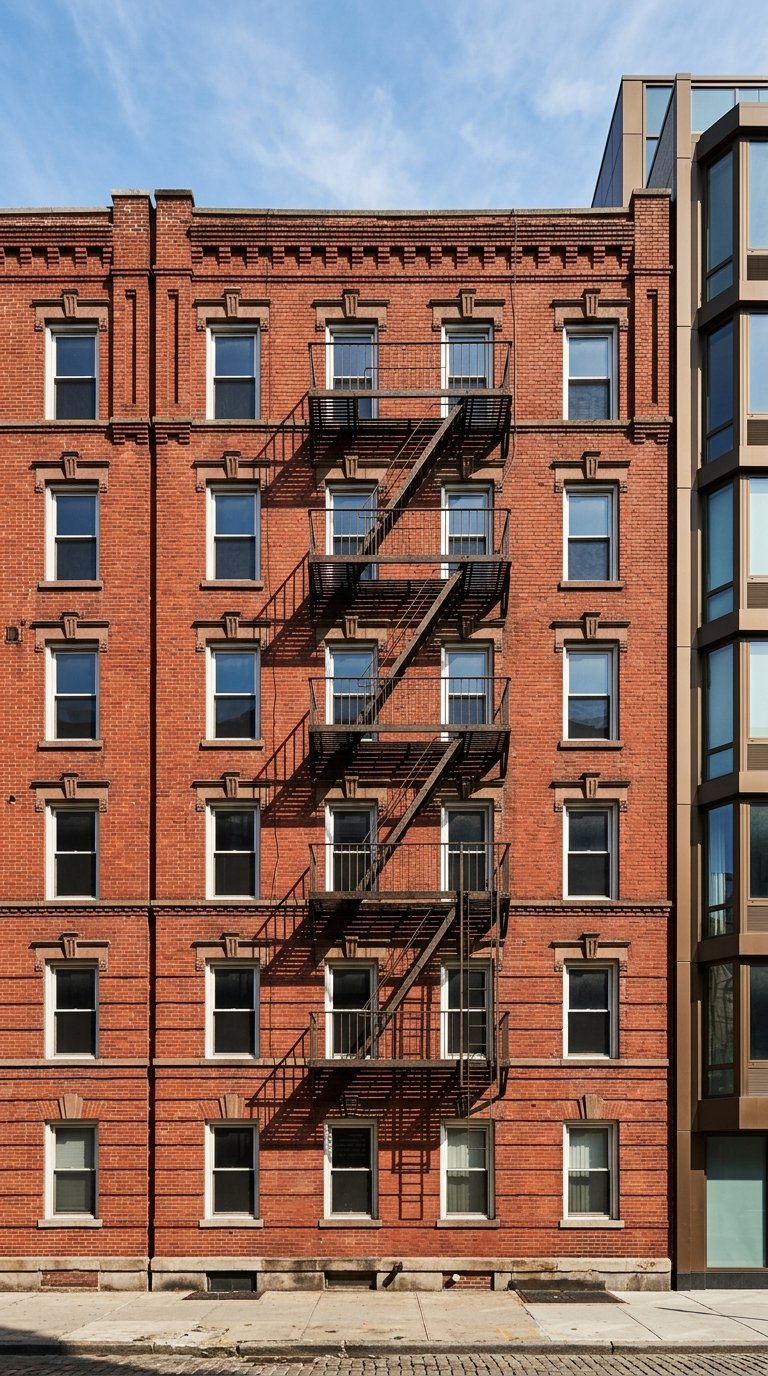
There are tradeoffs, and they are important to understand early. StreetEasy’s 2026 coverage puts the median asking rent at $4,650 and the median asking price at $1.199M, while also noting that the housing stock remains mostly prewar walk-ups with only a small number of new developments. Apartments here often run smaller, especially studios and one-bedrooms, than in many other Manhattan neighborhoods.
That means your search should focus on daily fit, not just square footage. In the East Village, the right block can matter as much as the right apartment. If you are buying or renting downtown, it helps to work with someone who understands how those small location shifts change your experience day to day.
If you want help narrowing down the right East Village block, building type, or price point for your lifestyle, reach out to Varun Sharma.
FAQs
What is it like to spend a weekend in the East Village as a future resident?
- A typical weekend can include coffee, a park walk, bookstore browsing, dinner nearby, and nightlife all within a short walk, which gives you a realistic picture of daily life in the neighborhood.
What kind of housing should you expect in the East Village?
- The East Village housing stock is mostly prewar walk-ups, with relatively few new developments, and apartments are often smaller than in many other Manhattan neighborhoods.
What is the East Village median rent and asking price?
- Recent StreetEasy coverage lists the median asking rent at $4,650 and the median asking price at $1.199M.
Which part of the East Village feels most connected to parks and nightlife?
- The area around Tompkins Square Park and St. Mark’s Place is the most tightly connected to park access, cafés, bookstores, dining, and nightlife.
What should you know about East River Park access in the East Village?
- NYC Parks says the section south of Stanton Street is temporarily closed for resiliency work, while access remains open north of Stanton Street through entry points including East Houston Street and the 6th and 10th Street bridges.
Which East Village area is best for transit access?
- The western edge near Astor Place and Cooper Square is typically the most commuter-friendly because it is closer to several subway lines and stations.